Ransone’s Death Highlights Urgent Need for Workplace Mental Health
6 min read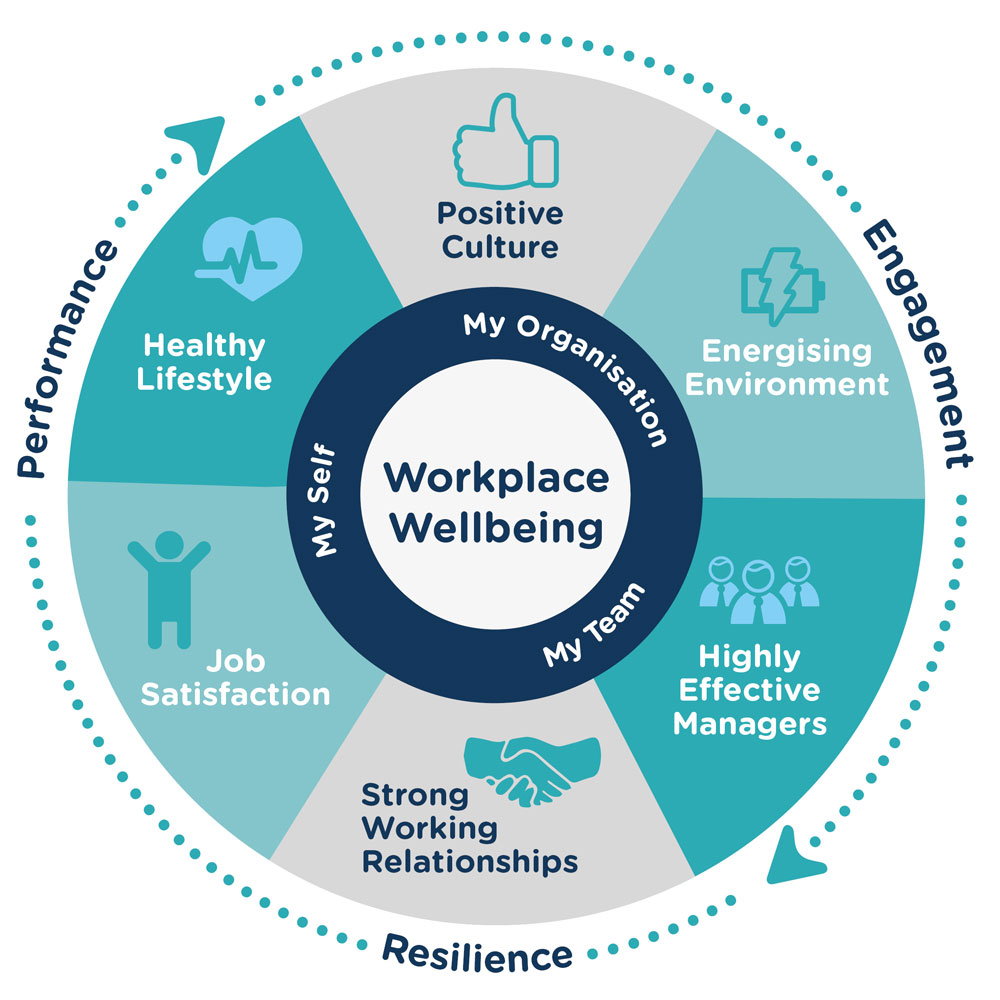
The tragic news of actor James Ransone’s passing, confirmed by reports as suicide by hanging, serves as a grim reminder of the profound and often hidden struggles individuals face with mental health. Ransone, known for his compelling roles in ‘The Wire’ and ‘It: Chapter Two,’ had openly discussed his past battles with mental health and addiction. His death at 46 underscores an urgent societal call to action, reverberating particularly loudly within the realm of workplace mental health, where the pressures and support systems (or lack thereof) can significantly impact an individual’s well-being.
A Global Awakening to Mental Health in the Workplace
Ransone’s personal story mirrors a wider global crisis, where mental health issues are increasingly prevalent but frequently stigmatized. In recent years, there has been a growing recognition that mental health is not merely a personal issue but a critical component of overall employee well-being and productivity. The World Health Organization (WHO) estimates that depression and anxiety disorders cost the global economy US$ 1 trillion each year in lost productivity. This stark figure highlights that ignoring workplace mental health comes at a significant financial and human cost.
The COVID-19 pandemic further exacerbated existing mental health challenges, introducing new stressors related to job insecurity, remote work isolation, and the blurring of work-life boundaries. As the world navigates a post-pandemic landscape, employees are carrying an accumulated burden of stress, anxiety, and burnout. Forward-thinking organizations are no longer viewing mental health initiatives as a luxury but as a fundamental responsibility and a strategic imperative for attracting, retaining, and fostering a thriving workforce.
Evolving HR Strategies for Employee Well-being
In response to this growing imperative, Human Resources (HR) departments are at the forefront of implementing comprehensive strategies to support workplace mental health. These strategies extend beyond traditional employee assistance programs (EAPs) and aim to cultivate a culture of psychological safety, empathy, and open dialogue. Key developments include:
- Destigmatizing Mental Health: Organizations are actively working to break down the stigma associated with mental health issues by promoting open conversations, training leaders to recognize signs of distress, and encouraging employees to seek help without fear of repercussions.
- Flexible Work Arrangements: Recognizing that work-life balance significantly impacts mental health, many companies are offering flexible hours, hybrid work models, and generous leave policies to reduce burnout and enhance personal well-being.
- Mental Health Training for Managers: Equipping managers with the skills to identify mental health challenges, engage in supportive conversations, and direct employees to appropriate resources is crucial. This includes training on active listening, empathy, and setting realistic expectations.
- Comprehensive Benefits Packages: Beyond EAPs, companies are enhancing health insurance to include robust mental health coverage, offering mindfulness programs, stress management workshops, and access to digital mental health platforms.
- Creating a Supportive Culture: Ultimately, an organization’s culture plays the most significant role. This involves fostering an environment where employees feel valued, respected, and psychologically safe to express concerns and bring their whole selves to work.
These initiatives, while varied, share a common goal: to proactively address mental health, prevent crises, and ensure employees feel supported throughout their professional journeys.
Impact on the Workforce: A Focus on International Students
The emphasis on workplace mental health has a particularly profound impact on vulnerable employee demographics, including international students and recent graduates navigating new professional environments. These individuals often face a unique confluence of stressors that can heighten their susceptibility to mental health challenges:
- Cultural Adaptation: Adjusting to a new country, culture, and social norms can be incredibly taxing. Misunderstandings, feelings of isolation, and the pressure to conform can lead to significant stress.
- Language Barriers: Even with strong English skills, nuances in workplace communication, slang, and cultural references can create anxiety and hinder effective integration and performance.
- Academic and Professional Pressure: International students often juggle demanding academic schedules with part-time work, all while striving to establish a professional foothold in a competitive job market. The pressure to succeed to secure post-study work opportunities or permanent residency is immense.
- Financial Strain: Many international students face substantial financial burdens, including tuition fees, living expenses, and often the pressure to support family back home. This financial stress is a major contributor to anxiety and depression.
- Limited Support Networks: Being far from family and established friends means a reduced informal support system. Building new networks takes time and effort, leaving many feeling isolated during critical periods.
- Visa and Immigration Uncertainty: The constant underlying anxiety about visa status, extensions, and future immigration pathways can be a significant and persistent source of stress, impacting focus and overall well-being.
For employers, recognizing these specific vulnerabilities is key to developing truly inclusive and effective mental health strategies. A one-size-fits-all approach may overlook the nuanced needs of these diverse groups.
Expert Insights and Practical Recommendations for a Mentally Healthy Workplace
Experts in organizational psychology and HR emphasize that effective workplace mental health strategies require a multi-faceted approach, combining top-down commitment with grassroots support. “It’s about creating an ecosystem where mental well-being is intrinsically woven into the fabric of the organization,” states a leading HR consultant. “Leadership must champion it, managers must embody it, and employees must feel empowered to utilize the resources available.”
For Employers and HR Professionals:
- Lead by Example: Senior leadership should visibly prioritize mental health, sharing their own experiences where appropriate, and actively participating in well-being initiatives.
- Train All Levels: Implement comprehensive mental health first aid training for managers and team leads to equip them with the skills to identify, support, and refer colleagues in distress.
- Regular Check-ins: Encourage managers to conduct regular, informal check-ins with employees, focusing not just on tasks but on overall well-being.
- Provide Accessible Resources: Ensure employees are aware of and have easy access to EAPs, counseling services, and mental health apps. Offer resources in multiple languages where applicable for diverse workforces.
- Foster Inclusivity: Actively promote an inclusive environment where cultural differences are respected and celebrated. For international students, consider mentorship programs and cultural integration support.
- Review Workload and Expectations: Regularly assess workloads and deadlines to prevent burnout. Encourage breaks and discourage a culture of overwork.
For Employees (Especially International Students):
- Prioritize Self-Care: Make time for activities that bring joy and relaxation. This could be exercise, hobbies, or connecting with friends.
- Build a Support Network: Actively seek out social connections, whether through student groups, community organizations, or colleagues at work. Don’t hesitate to reach out to family and friends back home.
- Utilize Available Resources: If your workplace offers EAPs or other mental health resources, learn about them and use them when needed. Universities also typically provide counseling services.
- Communicate with Your Manager: If you are struggling, consider speaking with a trusted manager or HR representative. They may be able to offer support or accommodations.
- Set Boundaries: Especially in remote or hybrid work, it’s crucial to set clear boundaries between work and personal life to prevent burnout.
- Seek Professional Help: If feelings of sadness, anxiety, or hopelessness persist, seek help from a mental health professional. It is a sign of strength, not weakness.
Looking Ahead: A Sustained Commitment to Well-being
The conversation around workplace mental health is no longer peripheral; it is central to building resilient, productive, and humane organizations. The passing of individuals like James Ransone serves as a powerful, albeit tragic, catalyst for renewed commitment to this cause. The future of work demands not just economic viability but also psychological well-being. Companies that prioritize the mental health of their employees will not only thrive but also contribute to a healthier, more compassionate society. This requires ongoing investment, continuous learning, and a profound shift in organizational culture that values human capital above all else.
Reach out to us for personalized consultation based on your specific requirements.