Tehran Producer’s Death Highlights Industry Stress
6 min read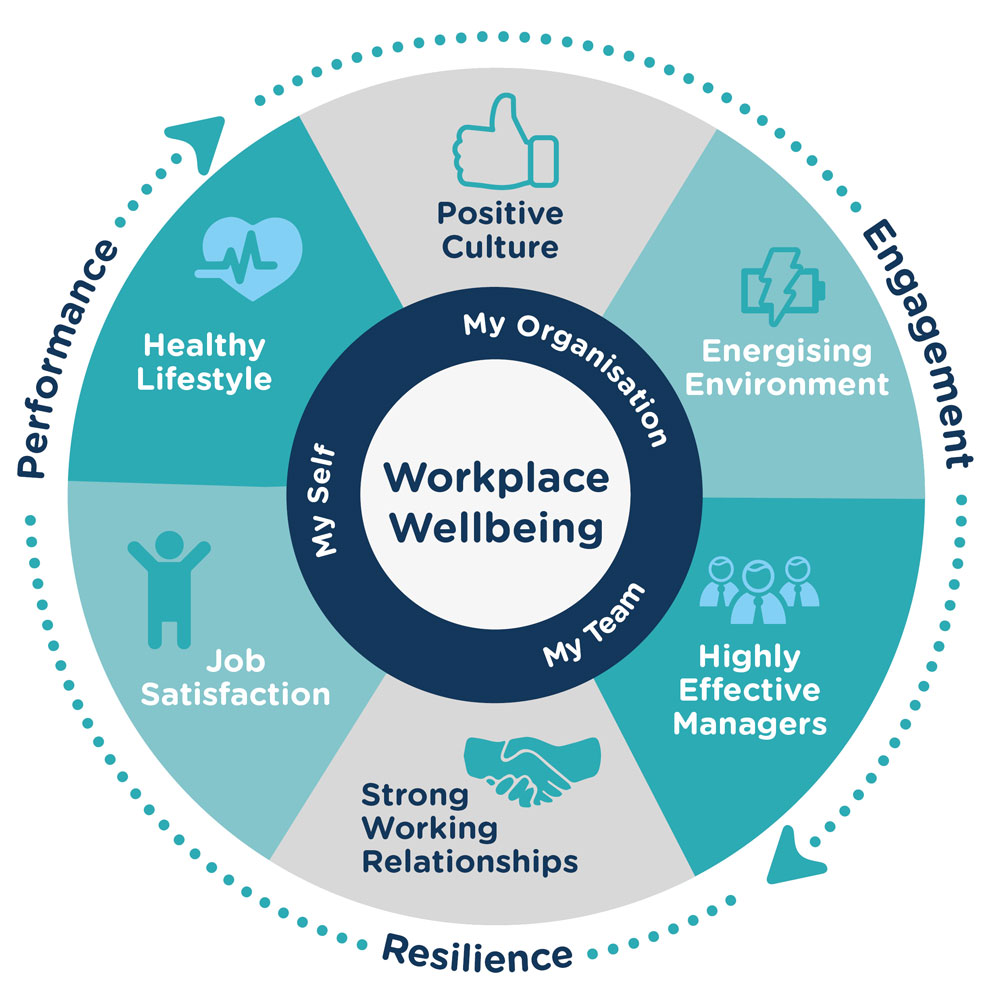
The global entertainment industry is reeling from the sudden passing of Dana Eden, the acclaimed producer behind the Emmy-winning spy series ‘Tehran’. Found dead in an Athens hotel room, Greek authorities are investigating the incident as a suspected suicide. While specific details remain under official wraps, the tragic news has ignited urgent conversations across the media landscape, casting a harsh spotlight on the immense pressures and often invisible mental health struggles prevalent among the creative workforce.
Eden’s death, confirmed by Greek authorities, sent shockwaves through the industry. Reports indicate she was in Athens filming the fourth season of the highly successful series when her body was discovered by her brother, who had grown concerned after she failed to respond to messages. The production company, Donna and Shula Productions, has firmly dispelled rumors of foul play, urging media and the public to respect the family’s pain and privacy. This unfortunate event serves as a stark reminder of the often-unseen toll exacted by demanding global production schedules and the relentless pursuit of creative excellence, bringing the critical issue of media production workforce wellbeing to the forefront.
Understanding the Pressures in Global Media Production
The entertainment sector, particularly global media production, operates under conditions that can be uniquely challenging. Long hours, tight deadlines, constant travel, and the immense financial and creative stakes involved in bringing large-scale projects to fruition contribute to a high-stress environment. The need to adapt to diverse international regulations, manage multicultural teams, and navigate geopolitical sensitivities, as was often the case with a series like ‘Tehran’, adds further layers of complexity.
- Intense Schedules: Production timelines are notoriously aggressive, often requiring crews and producers to work 12-16 hour days, six or even seven days a week, for extended periods. This ‘all-in’ culture leaves little room for personal life or adequate rest.
- Global Mobility Demands: For productions spanning multiple countries, travel is constant. This leads to disruption of personal routines, social isolation from established support networks, and the compounding stress of cultural and linguistic barriers in unfamiliar environments.
- Creative and Financial Stakes: Producers bear the heavy responsibility for the project’s creative vision and financial viability. The pressure to deliver critically and commercially successful content, especially for high-profile shows, can be overwhelming.
- Job Insecurity and Project-Based Work: The freelance and project-based nature of much of the industry means periods of intense work are often followed by unemployment, leading to financial instability and constant pressure to secure the next role. This cyclical uncertainty profoundly impacts media production workforce wellbeing.
- Mental Health Stigma: Despite growing awareness, a stigma surrounding mental health persists in many professional fields, including media. Individuals may fear that admitting struggles could jeopardize their careers, leading to silent suffering.
Industry reports and mental health advocates have long highlighted these issues. A 2023 study by the Film and TV Charity in the UK, for example, found that 87% of people working in film and TV have experienced a mental health problem, significantly higher than the national average. While specific to one region, this trend is echoed globally across the demanding media production sector.
Impact Analysis: A Call for Greater Awareness, Especially for International Students
The tragic circumstances surrounding Dana Eden’s death serve as a poignant reminder that mental health challenges can affect anyone, regardless of their professional success or stature. For international students aspiring to enter the global media production industry, this news carries particular weight and highlights crucial considerations beyond academic and professional preparation.
International students often face unique layers of stress:
- Cultural Adaptation: Adjusting to a new country, culture, and educational system can be mentally taxing.
- Language Barriers: Even in English-speaking programs, subtle communication nuances can lead to misunderstandings and isolation.
- Financial Strain: Studying abroad often involves significant financial investment, creating additional pressure to succeed and secure employment.
- Visa and Immigration Pressures: The complexities of maintaining student visas, applying for post-study work permits, and navigating immigration pathways can be a constant source of anxiety.
- Limited Local Support Networks: Away from family and long-term friends, international students may have fewer immediate resources for emotional support when facing academic or professional stress.
For those aiming for careers in high-pressure fields like media production, understanding these inherent industry challenges, combined with the stresses of living and working internationally, is paramount. Developing resilience, building diverse support networks, and proactively engaging with mental health resources become essential skills, not just desirable traits.
Expert Insights and Practical Recommendations for Wellbeing
In response to the growing awareness of mental health issues within demanding industries, experts are advocating for systemic changes and individual strategies to foster better media production workforce wellbeing. While companies are urged to implement more supportive policies, individuals also have a role in prioritizing their health.
“The pressure in creative industries can be immense, but it should never come at the cost of mental or physical health,” states Dr. Lena Hansen, a clinical psychologist specializing in occupational stress. “This incident underscores the urgent need for a culture shift, where seeking support is normalized and proactive self-care is encouraged, not seen as a weakness.”
For Individuals and Aspiring Professionals:
- Prioritize Self-Care: Schedule non-negotiable breaks, ensure adequate sleep, maintain a healthy diet, and engage in regular physical activity. Even small rituals can make a difference.
- Build a Support Network: Connect with peers, mentors, friends, and family who understand the demands of your field or provide emotional support. For international students, this includes connecting with university support services and student communities.
- Set Boundaries: Learn to say no to excessive demands when possible, and define clear lines between work and personal life, especially when working remotely or across time zones.
- Recognize Warning Signs: Be aware of changes in mood, sleep patterns, energy levels, or increased anxiety. Early recognition allows for early intervention.
- Seek Professional Help: Do not hesitate to consult a mental health professional if you are struggling. Many universities offer counseling services, and resources exist globally.
For Production Companies and Industry Leaders:
- Promote Healthy Work Hours: Implement and enforce reasonable working hours and ensure adequate rest periods between shifts and projects.
- Provide Mental Health Resources: Offer confidential counseling services, employee assistance programs, and mental health training for managers.
- Foster a Supportive Culture: Create an environment where open communication about stress and mental health is encouraged, and stigma is actively dismantled.
- Review Project Structures: Evaluate how global projects are structured to mitigate constant travel and isolation, exploring hybrid models or localizing support where possible.
Looking Ahead: Towards a More Sustainable Industry
Dana Eden’s death, while a profound loss, must serve as a catalyst for meaningful change within the global media production industry. The conversation around media production workforce wellbeing needs to move beyond mere acknowledgment to concrete action. There is a growing consensus that the industry’s long-term sustainability hinges on its ability to nurture its talent, not just exploit it.
Future implications include increased scrutiny from unions and advocacy groups demanding better working conditions, potentially influencing production insurance policies and international labor laws. Major studios and streaming platforms, under public and internal pressure, may invest more significantly in comprehensive mental health and wellbeing programs for their staff and freelancers. The incident may also prompt educational institutions, particularly those with international student bodies, to integrate mental health preparedness into their curricula for creative fields, ensuring aspiring professionals are equipped not only with skills but also with strategies for personal resilience.
Ultimately, the industry must evolve to balance creative ambition with human well-being, ensuring that the drive for compelling content does not come at an unbearable cost to the individuals who bring those stories to life.
Reach out to us for personalized consultation based on your specific requirements.