Tech Talent Rumors: How Clarity Shapes Market & Morale
8 min read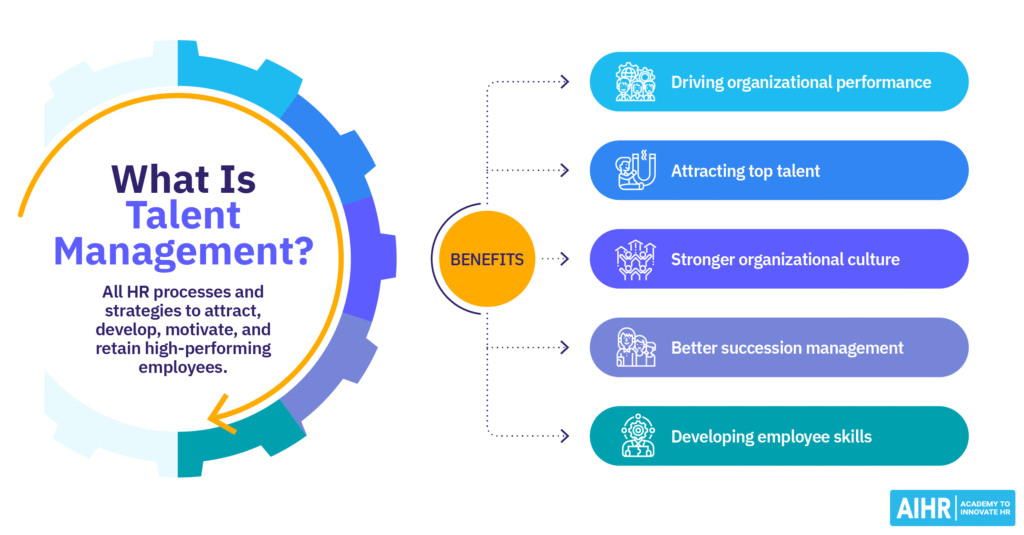
The global tech landscape, much like the dynamic world of entertainment, is frequently swayed by whispers and speculation. Just as casting director Mukesh Chhabra swiftly dispelled rumors surrounding actress Sara Arjun’s next big project, affirming her current focus on ‘Dhurandhar 2,’ the tech industry is witnessing its own narratives of uncertainty regarding talent acquisition, market shifts, and corporate movements. These industry murmurs, ranging from hiring freezes and layoffs to the rise of new technologies like AI, have a profound impact not only on stock valuations and business decisions but, crucially, on the morale and retention of its highly sought-after workforce. In an era defined by rapid technological evolution and economic flux, clarity in communication has emerged as the cornerstone of effective tech talent management strategy, determining whether companies attract and retain top professionals or succumb to market anxieties.
The Echo Chamber of Tech Speculation: Why Clarity is Paramount
The tech sector operates at an unparalleled pace, making it fertile ground for rumors. A leaked internal memo, an unconfirmed report about a competitor’s AI initiative, or a casual remark from a CEO can quickly amplify across professional networks and social media, creating a ripple effect that impacts employee sentiment and market confidence. Historically, tech companies have been lauded for their innovative cultures and attractive perks, fostering a sense of loyalty among their employees. However, recent years have introduced unprecedented volatility, characterized by aggressive hiring surges followed by periods of significant downsizing. This ebb and flow has left many professionals on edge, constantly scanning the horizon for the next wave of change. The entertainment industry’s recent experience with unsubstantiated news, where a simple clarification from a trusted source can immediately settle widespread speculation, offers a valuable parallel. For tech companies, the equivalent of Mukesh Chhabra’s definitive statement is a robust and transparent corporate communication strategy that directly addresses circulating rumors, sets clear expectations, and reinforces the company’s vision and commitment to its workforce.
The stakes are particularly high because the tech workforce is inherently global and mobile. Skilled professionals often weigh opportunities across different countries and continents, making them highly susceptible to market perceptions. When rumors about a company’s stability or a sector’s future prospects gain traction, it can trigger a defensive posture among employees, prompting them to quietly explore new opportunities. This ‘quiet quitting’ or proactive job searching, driven by a lack of clear information, can undermine an organization’s long-term stability and its ability to execute its strategic goals. Furthermore, the burgeoning influence of artificial intelligence, while promising transformative growth, has also fueled anxieties about job displacement and the rapid obsolescence of certain skill sets. Without clear guidance from leadership on how AI will integrate into their operations and impact their teams, employees are left to interpret fragmented information, often leading to worst-case scenario planning. This underscores the critical need for an agile and empathetic tech talent management strategy that prioritizes communication as a tool for stability and trust-building.
Key Developments Shaping the Tech Talent Landscape
Several pivotal developments are currently defining the conversation around tech talent. The much-publicized cycles of hiring and layoffs in major tech firms have created a climate of uncertainty, forcing companies to re-evaluate their long-term hiring models and employees to scrutinize their career paths. While the overall demand for tech skills remains robust, particularly in specialized areas, the narrative has shifted from an unbridled growth mindset to one of strategic optimization and efficiency.
- Economic Headwinds and Strategic Adjustments: Global economic slowdowns and rising interest rates have prompted many tech giants to pivot from hyper-growth strategies to focusing on profitability and sustainable expansion. This has manifested in targeted layoffs, hiring freezes, and a recalibration of investment priorities. Companies are increasingly demanding demonstrable ROI from their talent investments, leading to a stronger emphasis on core competencies and critical project delivery.
- The AI Revolution and Skill Transformation: The rapid advancements in artificial intelligence are perhaps the most significant disruptor. While AI is creating new job roles in areas like prompt engineering, machine learning ethics, and data governance, it is also automating routine tasks, necessitating a massive upskilling and reskilling effort across the existing workforce. The demand for AI specialists, data scientists, and cybersecurity experts is skyrocketing, creating new talent gaps.
- Evolving Work Models: Remote, Hybrid, and Return-to-Office Debates: The post-pandemic era has solidified hybrid and remote work as mainstream options, profoundly influencing talent acquisition and retention. Companies that offer flexibility often gain a competitive edge in attracting a global talent pool, while those enforcing strict return-to-office mandates face challenges in retaining employees who value autonomy. This debate continues to shape organizational culture and a company’s overall tech talent management strategy.
- The ‘Great Reshuffle’ and Employee Expectations: Beyond mere compensation, tech professionals are increasingly prioritizing work-life balance, career development opportunities, ethical company values, and a sense of purpose. This shift in employee expectations has fueled what some call the “Great Reshuffle,” where individuals are more willing to seek out roles that align with their personal values and long-term aspirations, putting pressure on employers to offer more than just a paycheck.
Impact Analysis: Navigating Uncertainty for All Stakeholders
The current landscape of tech talent rumors and rapid developments has far-reaching consequences for various stakeholders:
For Tech Companies:
Uncertainty breeds instability. Without clear communication, companies risk a decline in employee morale, increased attrition, and a damaged employer brand. Top talent, often having multiple options, will gravitate towards organizations that demonstrate stability, transparency, and a clear vision for the future. The cost of replacing skilled tech professionals is substantial, encompassing recruitment fees, onboarding time, and lost productivity. Therefore, a proactive tech talent management strategy that addresses rumors head-on and provides a compelling narrative for employees is not just good HR practice; it’s a critical business imperative. Companies that fail to communicate effectively may also find themselves outmaneuvered in the market, as competitors capitalize on their talent’s anxieties. Furthermore, investor confidence can waver if a company appears unable to manage its internal talent dynamics amidst market speculation.
For Current Employees:
For existing tech employees, the constant flow of rumors can create significant stress and anxiety. Questions about job security, career progression, and the relevance of their skills in an AI-driven future become pervasive. This can lead to reduced productivity, disengagement, and a pervasive sense of distrust towards management. Many might start passively or actively searching for new roles, even if their current situation is stable, simply out of a need for perceived security. This phenomenon, known as “presenteeism,” where employees are physically present but mentally disengaged, costs companies billions annually. Employees need reassurance, clear pathways for professional development, and transparent information about their company’s strategic direction to alleviate these concerns.
For International Students and Aspiring Tech Professionals:
The impact on international students and those aspiring to enter the tech sector is particularly acute. These individuals often invest heavily in education and training, with the expectation of securing lucrative employment in leading tech hubs. Rumors about visa restrictions, hiring slowdowns, or shifts in skill demand can create immense uncertainty regarding their career prospects. They may question the wisdom of pursuing specific degrees or relocating for studies if the job market appears unstable or opaque. For instance, if there’s widespread speculation about a reduction in H-1B visas or a general slowdown in tech recruitment, international students might reconsider their study destinations or even their chosen fields. A lack of reliable information can lead to misinformed decisions about their education and career pathways, potentially impacting their ability to gain work experience abroad and ultimately secure permanent residency. Therefore, access to accurate market insights and practical guidance becomes invaluable for this demographic, enabling them to make strategic choices about their education, skill development, and job search strategies.
Expert Insights and Practical Guidance for Navigating the Landscape
In this environment of perpetual change and speculation, a robust tech talent management strategy is no longer a luxury but a necessity. For both organizations and individuals, adopting proactive measures can help mitigate risks and seize opportunities.
For Organizations:
- Proactive & Transparent Communication: Establish clear channels for regular and honest communication. Address rumors directly and swiftly, even if the news isn’t always positive. Transparency builds trust. Regular town halls, internal newsletters, and direct messages from leadership can be effective.
- Invest in Reskilling and Upskilling: Combat anxieties around AI and automation by clearly articulating pathways for employees to learn new, in-demand skills. Offer internal training programs, certifications, and educational stipends to ensure the workforce remains relevant and valuable. This demonstrates a commitment to employee growth and retention.
- Reinforce Culture and Values: In times of uncertainty, a strong company culture grounded in clear values provides an anchor. Highlight success stories, celebrate achievements, and foster an inclusive environment where employees feel valued and heard.
- Data-Driven Retention Strategies: Utilize HR analytics to identify flight risks and understand employee sentiment. Personalize retention efforts, offering tailored career development plans, mentorship opportunities, and flexible work arrangements where feasible.
- Streamlined Onboarding for Global Talent: For international hires, simplify the relocation and integration process. Offer comprehensive support for visa applications, housing, and cultural assimilation to ensure a smooth transition and strong start.
For International Students & Aspiring Professionals:
- Focus on Future-Proof Skills: While foundational tech skills remain vital, prioritize learning in areas like AI/Machine Learning, Cybersecurity, Cloud Computing, Data Analytics, and specialized software development. These are consistently in high demand.
- Build a Strong Professional Network: Connect with industry professionals, attend virtual and in-person tech events, and leverage platforms like LinkedIn. Networking can provide invaluable insights into market trends and potential opportunities that might not be publicly advertised.
- Seek Practical Experience: Internships, co-op programs, and volunteer projects are crucial for gaining real-world experience and making your resume stand out. For international students, this experience can be critical for securing post-graduation work permits and jobs.
- Stay Informed from Reliable Sources: Don’t rely solely on social media rumors. Follow reputable tech news outlets, industry analysts, and government immigration official announcements for accurate information on market trends and policy changes.
- Develop Strong Soft Skills: Communication, problem-solving, adaptability, and teamwork are increasingly valued in the tech sector. These skills are often the differentiator in a competitive job market and are less susceptible to automation.
- Understand Immigration Pathways: For those planning to work internationally, thoroughly research visa options, work permit requirements, and permanent residency pathways in your target countries. This proactive understanding will inform your career planning.
Looking Ahead: The Imperative of Proactive Adaptation
The tech industry will continue to evolve at breakneck speed, with new technologies emerging, market dynamics shifting, and global economic forces playing a significant role. The era of unchecked growth may be yielding to a more considered, strategic approach to talent and investment. In this future, the ability of organizations to foster trust through clear, consistent, and empathetic communication will be their most potent tool in attracting and retaining talent. For individuals, particularly international students navigating complex global career paths, proactive skill development, continuous learning, and strategic networking will be non-negotiable. The lesson from the entertainment world’s swift rumor control holds true: in tech, clarity doesn’t just manage expectations; it actively shapes market perception and empowers both companies and individuals to navigate uncertainty with confidence.
Reach out to us for personalized consultation based on your specific requirements.