Satya Estates’ ‘Dhurandhar 2.0’ Set for 2026 Launch Amid Tech Rivalry
6 min read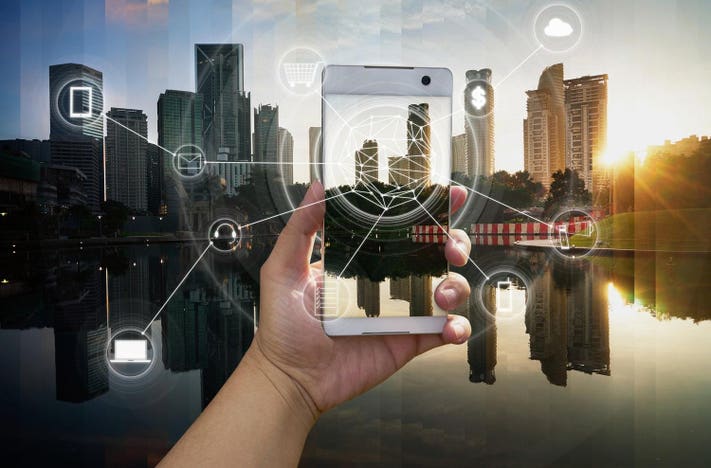
Satya Estates, a burgeoning leader in futuristic urban development, has officially announced the highly anticipated launch of its groundbreaking ‘Dhurandhar 2.0’ smart city project for March 2026. This ambitious initiative is poised to redefine urban living through cutting-edge Proptech innovations, setting the stage for an intense technological rivalry within the global real estate sector. With an expected unveiling that promises to integrate AI, IoT, and sustainable design into a seamless urban ecosystem, Dhurandhar 2.0 aims to leapfrog current smart city paradigms and establish new benchmarks for integrated community living.
The Evolution of Urban Living: Smart Cities and Proptech’s Ascendancy
The global landscape is undergoing a profound transformation, driven by rapid urbanization and technological advancements. Smart city development, once a futuristic concept, is now a tangible reality, with governments and private developers investing billions into creating intelligent, sustainable, and highly efficient urban environments. At the heart of this evolution lies Proptech – a portmanteau of “property” and “technology” – which leverages digital innovation to optimize how people research, buy, sell, manage, and experience real estate.
The urgency for smart cities stems from several factors: increasing population density, the need for environmental sustainability, and the demand for enhanced quality of life. From intelligent traffic management systems to energy-efficient buildings and hyper-connected public services, smart cities promise a future where technology serves to improve every facet of urban existence. According to a recent report by Grand View Research, the global smart cities market size was valued at USD 621.5 billion in 2023 and is projected to grow at a compound annual growth rate (CAGR) of 22.4% from 2024 to 2030, underscoring the immense potential and investment flowing into this sector.
Satya Estates’ ‘Dhurandhar 2.0’ project signifies a critical moment in this trajectory. Following the success of its ‘Dhurandhar 1.0’ pilot, which introduced advanced IoT-enabled infrastructure and community engagement platforms, the sequel project is expected to expand significantly on these foundational elements. The project’s codename, mirroring a highly anticipated cinematic sequel, subtly hints at its intention to deliver a more powerful, expansive, and immersive experience than its predecessor, a sentiment echoed by industry observers.
Satya Estates Dhurandhar 2.0: Pioneering the Next Generation of Proptech Integration
The March 2026 launch date for Satya Estates Dhurandhar 2.0 positions it as a frontrunner in the next wave of smart urban development. While specific details remain under wraps, industry insiders suggest that Dhurandhar 2.0 will heavily feature:
- Advanced AI-driven Urban Management: Expect sophisticated AI systems for predictive maintenance of infrastructure, dynamic traffic optimization, intelligent waste management, and personalized public services. These systems will learn from urban data to continuously improve efficiency and resource allocation.
- Hyper-Connected IoT Ecosystems: Every aspect of the city, from homes and offices to public parks and transport, will be interconnected via a robust Internet of Things (IoT) network. This allows for real-time monitoring, automated responses, and data-driven decision-making, offering residents unparalleled convenience and safety.
- Sustainable and Resilient Infrastructure: Dhurandhar 2.0 is rumored to integrate advanced green building technologies, renewable energy sources (solar, wind), smart grids, and innovative water recycling systems. The focus is not just on efficiency but on creating a truly sustainable and climate-resilient urban environment.
- Blockchain for Property & Security: Blockchain technology could be utilized for secure and transparent property transactions, digital identities for residents, and immutable records for urban planning and governance, significantly reducing fraud and bureaucracy.
- Digital Twin Technology: A “digital twin” of the entire city, a virtual replica updated in real-time, will enable planners to simulate various scenarios, test urban policies, and manage infrastructure proactively, enhancing responsiveness and future-proofing the development.
“Dhurandhar 2.0 isn’t just a collection of smart buildings; it’s a living, breathing organism designed to adapt and evolve with its inhabitants,” stated an unnamed project lead during a private briefing. “We are not just building homes; we are crafting an intelligent lifestyle. The ‘2.0’ signifies a complete re-imagining, a sequel that vastly expands on the original narrative of smart living.”
The competitive landscape for such projects is fierce. Rival developers are also pouring resources into similar initiatives, with several ‘smart districts’ and ‘tech-enabled townships’ on various drawing boards globally. The March 2026 unveiling of Satya Estates Dhurandhar 2.0 is anticipated to be a major industry event, attracting not only potential residents and investors but also urban planners and technologists eager to witness its innovations.
Impact Analysis: A New Urban Paradigm for Global Citizens, Especially Students
The advent of cities like Satya Estates Dhurandhar 2.0 heralds a new urban paradigm with significant implications for residents, investors, and particularly, international students. For those considering education or career opportunities abroad, living in a smart city offers distinct advantages:
- Modern & Efficient Living: Smart cities often feature state-of-the-art housing with integrated smart home systems, efficient public transport, and streamlined digital services for everything from utility payments to public safety alerts. This translates to less time spent on mundane tasks and more on studies or personal development.
- Enhanced Safety & Security: AI-powered surveillance, smart streetlights, and rapid emergency response systems create safer environments. For international students new to a country, this can provide an added layer of peace of mind.
- Sustainable Lifestyles: Living in a green smart city aligns with growing environmental consciousness. Students can be part of a community committed to reduced carbon footprints, recycling, and sustainable living practices.
- Networking & Career Opportunities: These developments often become hubs for technology, innovation, and research. This creates a fertile ground for internships, part-time jobs, and post-graduation career opportunities, especially in Proptech, AI, data science, and urban planning. Universities in or near such cities often foster strong ties with these innovative companies.
- Ease of Integration: Digital platforms for community engagement, localized information, and multilingual support can help international students integrate more easily into their new environment, connecting them with local resources and fellow residents.
“The blend of innovation and sustainability in projects like Dhurandhar 2.0 makes them incredibly attractive to a globally mobile demographic,” says Dr. Aisha Rahman, an urban studies expert. “International students, who are often early adopters of technology and keen on diverse experiences, will find these environments particularly enriching for both their academic and personal growth.”
Expert Insights and Practical Guidance for Navigating Smart Urban Landscapes
As smart cities become more prevalent, understanding how to maximize their benefits is crucial. Here are some expert insights and practical tips:
- Embrace Digital Literacy: Familiarize yourself with smart city apps and platforms for transport, utilities, and community services. Most smart cities prioritize digital interaction.
- Leverage Smart Amenities: Utilize smart home devices, shared electric vehicles, and intelligent public services to save time and reduce costs. Many developments offer integrated platforms to manage these.
- Explore Career Pathways: Actively seek internships or job opportunities within the Proptech sector or companies operating within these smart urban ecosystems. The demand for skilled professionals in these areas is consistently high.
- Engage with the Community: Smart cities often have digital forums and community platforms. Participate to connect with neighbors, understand local issues, and find support networks.
- Understand Data Privacy: Be aware of how your data is collected and used within a highly connected smart city. Most reputable developers will have transparent data policies.
For international students, specifically, exploring universities or educational institutions located near or within such smart developments can offer a significant competitive edge, providing access to cutting-edge research and industry exposure.
Looking Ahead: The Future is Intelligent, Integrated, and Interconnected
The launch of Satya Estates Dhurandhar 2.0 in March 2026 is more than just a real estate project; it’s a blueprint for future urban living. It signals a future where cities are not merely concrete jungles but intelligent, responsive, and sustainable ecosystems that enhance human well-being. The tech rivalry in Proptech will undoubtedly intensify, driving further innovation and pushing the boundaries of what’s possible in urban development.
As these smart cities proliferate, they will continue to attract global talent, including ambitious international students seeking not only quality education but also an opportunity to live and work in environments that are shaping the future. The ongoing evolution of Proptech will ensure that urban landscapes remain dynamic, efficient, and increasingly personalized, promising a truly connected global community.
Reach out to us for personalized consultation based on your specific requirements.