Hospital Data Leak Spotlights Urgent Privacy Risks
6 min read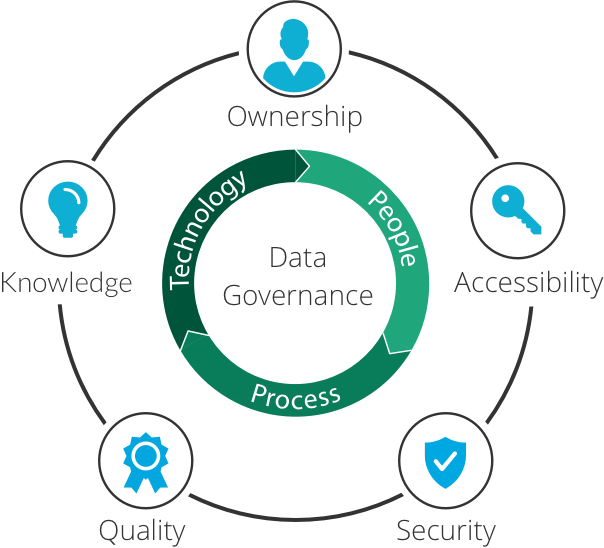
A recent high-profile incident involving the alleged leak of sensitive health information from Mumbai’s prestigious Lilavati Hospital has sent ripples through the entertainment industry and beyond, casting a harsh spotlight on the critical vulnerabilities in healthcare data management. The family of veteran screenwriter Salim Khan, currently receiving care for a minor brain hemorrhage, expressed significant displeasure after his private medical details were reportedly divulged to the media by hospital personnel. This event serves as a potent reminder of the paramount importance of robust data privacy governance in all high-stakes environments, especially where personal and sensitive information is handled.
Background: The Lilavati Incident and Its Immediate Fallout
The controversy erupted following reports that Sohail Khan visited his ailing father, Salim Khan, at Lilavati Hospital. While public figures are accustomed to media scrutiny, the disclosure of specific medical conditions, such as Salim Khan’s minor brain hemorrhage and ventilator support, crossed a clear boundary for the family. A source close to the Khan family conveyed their strong disapproval to Variety India, stating, “Health is a private matter. Ideally, no updates should be shared with the media, and any communication should be left entirely to the family, if and when they choose to address fans and well-wishers. Salman and his family were displeased with the doctor’s public statement and have clearly conveyed to the authorities that they do not want any further details disclosed.”
This incident underscores a broader, systemic issue: the laxity or lack of stringent protocols in safeguarding patient data even within institutions entrusted with the most personal aspects of individuals’ lives. Healthcare facilities, by their very nature, collect, process, and store vast amounts of highly sensitive information, making them prime targets for both malicious actors and accidental breaches. The trust placed in these institutions necessitates an unwavering commitment to data privacy governance.
Key Developments in Data Privacy Challenges
The Lilavati Hospital incident, while specific to a celebrity, highlights universal challenges in maintaining data privacy. The alleged leak wasn’t a sophisticated cyberattack but rather a suspected unauthorized disclosure by staff, a common vector for breaches in many sectors. This points to several critical areas where improvements are desperately needed:
- Insider Threats: Whether intentional or accidental, human error or malicious intent by employees remains a leading cause of data breaches. Adequate training, strict access controls, and a culture of privacy are essential to mitigate this risk.
- Lack of Clear Protocols: Many organizations, particularly in fast-paced or public-facing environments like hospitals, may lack clearly defined and enforced policies regarding who can access, discuss, or release sensitive information.
- The “High-Stakes” Nature of Data: Health data is considered among the most sensitive categories of personal information. Its compromise can lead to discrimination, financial fraud, reputational damage, and even blackmail. Similarly, personal data tied to immigration, finance, or academic records carries significant weight.
- Growing Public Awareness and Expectations: Individuals are increasingly aware of their data rights and expect robust protection. Organizations that fail to meet these expectations face not only legal repercussions but also significant damage to their reputation and public trust.
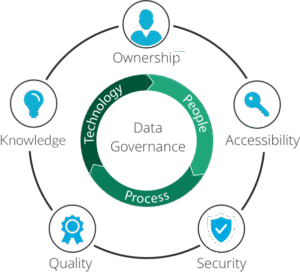
“The digital age has brought unprecedented convenience, but with it comes an equally unprecedented risk to personal data,” explains Dr. Anya Sharma, a cybersecurity ethics expert. “What happened at Lilavati is a stark reminder that data privacy governance isn’t just about technology; it’s fundamentally about people, policies, and a deeply ingrained ethical commitment to protecting information.”
Impact Analysis: What This Means for International Students
While the Lilavati incident directly involved a prominent family in India, its implications resonate deeply with international students globally. Students studying abroad often find themselves in high-stakes environments where their personal data, much like health records, is handled by multiple institutions and entities. This includes:
- University Records: Academic transcripts, personal details, financial aid information, and even mental health support notes are stored by educational institutions. A breach could expose students to identity theft, academic fraud, or jeopardize their future career prospects.
- Visa and Immigration Data: Visa applications require an immense amount of personal information, including biometric data, financial statements, educational history, and family details. Any compromise here could lead to severe immigration complications, fraud, or even deportation risks.
- Healthcare in Host Countries: International students often register with local doctors or university health services. Their medical records, just like Salim Khan’s, are highly personal. A leak could expose sensitive health conditions, potentially leading to social stigma or affecting insurance.
- Financial Information: Banking details, loan applications, and payment information for tuition or accommodation are routinely shared, making students vulnerable to financial fraud if not adequately protected.
- Personal Adjustment Challenges: Students adapting to a new country might be particularly vulnerable to scams or exploitation if their personal details are leaked, making them targets for misinformation or phishing attempts.
The global nature of international education means students’ data traverses borders, often falling under different jurisdictional privacy laws. This complexity makes robust data privacy governance even more critical for every institution that interacts with international students, from visa processing centers to universities and healthcare providers.
Expert Insights and Practical Guidance
For institutions and individuals alike, the Lilavati incident provides a crucial teaching moment. Strengthening data privacy governance requires a multi-faceted approach:
For Institutions:
- Comprehensive Training: Regular and mandatory training for all staff on data privacy best practices, ethical handling of sensitive information, and the consequences of breaches.
- Strict Access Controls: Implement “least privilege” access, ensuring that only individuals who absolutely need certain data for their job functions can access it. Log and monitor all data access.
- Clear Policies and Procedures: Develop, communicate, and enforce robust policies on data collection, storage, processing, sharing, and disposal, specifically addressing sensitive categories like health and immigration data.
- Incident Response Plan: Have a clear, well-rehearsed plan for responding to data breaches, including immediate containment, notification protocols, and post-incident analysis.
- Regular Audits and Assessments: Conduct periodic internal and external audits to identify vulnerabilities and ensure compliance with privacy regulations (e.g., GDPR, HIPAA, local data protection laws).
- Technological Safeguards: Employ encryption, firewalls, intrusion detection systems, and other cybersecurity measures to protect data at rest and in transit.
For International Students:
You have a significant role to play in protecting your own data. Here’s how:
- Understand Privacy Policies: When you enroll at a university, register with a healthcare provider, or apply for a visa, take the time to read and understand their data privacy policies. Know your rights regarding your personal information.
- Be Skeptical: Be wary of unsolicited emails, calls, or messages asking for personal details, even if they appear to be from legitimate organizations. Always verify the sender through official channels.
- Secure Your Devices: Use strong, unique passwords for all accounts, enable two-factor authentication wherever possible, and keep your operating systems and software updated.
- Monitor Your Accounts: Regularly check your bank statements, credit reports (if applicable), and academic portals for any suspicious activity.
- Ask Questions: Don’t hesitate to ask your university, doctor’s office, or visa agency about how they protect your data and what measures they have in place. Your right to privacy is paramount.
- Limit Information Sharing: Only provide essential information when requested. Think twice before sharing sensitive data on social media or unsecured platforms.
Looking Ahead: The Future of Data Privacy in a Connected World
The Lilavati incident, along with numerous other breaches reported globally, reinforces that data privacy governance is not a static concept but an evolving discipline. As technology advances and data collection becomes more pervasive, the legal and ethical frameworks surrounding privacy will continue to tighten. We can expect:
- Stricter Regulations: Governments worldwide are increasingly enacting and enforcing more stringent data protection laws, with significant penalties for non-compliance.
- Advanced AI-driven Security: Artificial intelligence and machine learning will play a greater role in detecting anomalies, predicting threats, and automating privacy compliance.
- Increased User Control: Future trends point towards greater individual control over personal data, with easier access to, and management of, consent settings.
- Emphasis on Transparency: Organizations will face greater pressure to be transparent about their data handling practices and to communicate clearly with individuals about any potential breaches.
The lesson from the Lilavati Hospital incident is clear: in an interconnected world, where every piece of personal data has value, robust data privacy governance is not merely a legal obligation but a fundamental ethical imperative. For international students, whose lives often depend on the integrity of their personal information, understanding and advocating for data privacy is more crucial than ever.
Reach out to us for personalized consultation based on your specific requirements.