Hollywood’s PR Playbook: Lessons for Tech Leaders
6 min read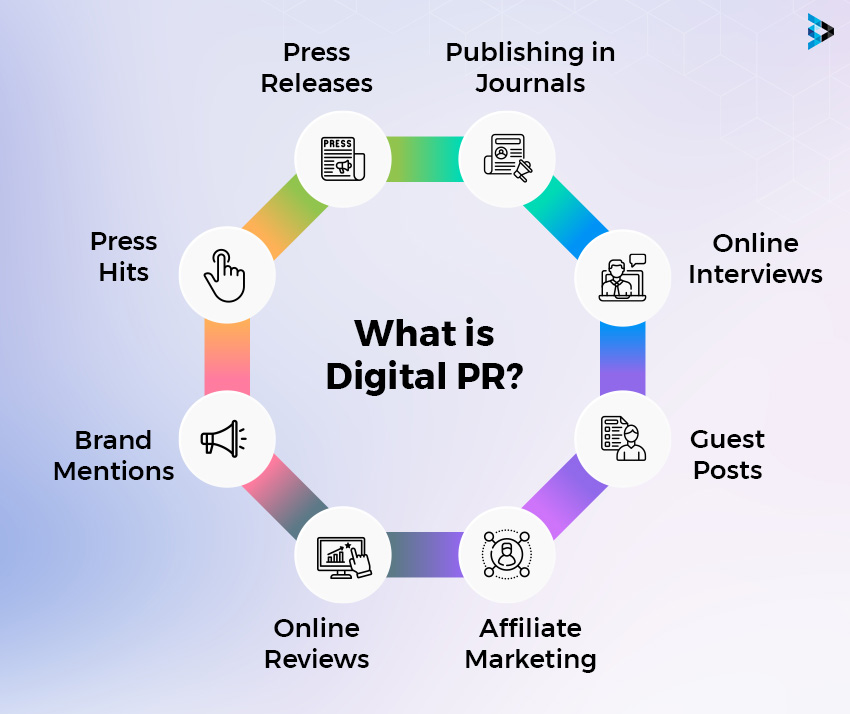
The spotlight of the 2026 Academy Awards shone not just on cinematic achievements but also on the razor-sharp dynamics of public relations in the age of viral discourse. As host Conan O’Brien playfully skewered actor Timothée Chalamet over his recent controversial remarks about ballet and opera, the incident served as a stark reminder for businesses and individuals alike: in an era of rapid social media amplification, managing your digital brand reputation management is paramount, a lesson even Hollywood’s biggest stars are constantly learning.
The Anatomy of a Hollywood Controversy: Chalamet’s Digital Ripple Effect
The genesis of what O’Brien dubbed the “ballet-opera controversy” was seemingly innocuous. In an on-camera interview with Variety, Timothée Chalamet, a celebrated actor with a significant global following, casually commented, “I don’t want to be working in ballet or opera where it’s like, ‘Hey, keep this thing alive, even though no one cares about this anymore.’” While perhaps intended as a critique of artistic relevance or a personal preference, the statement, once transcribed and shared online, quickly erupted into a social media firestorm. Communities passionate about classical arts perceived the remarks as dismissive and disrespectful, leading to a swift and widespread backlash.
This incident vividly illustrates how a single, unscripted comment can transcend its original context and become a focal point of intense public scrutiny. Within hours, clips of the interview were dissected, memes circulated, and debates raged across platforms like X (formerly Twitter), TikTok, and Reddit. The ensuing digital noise propelled Chalamet from a critically acclaimed actor to “Hollywood’s biggest target,” as O’Brien put it. His reaction at the Oscars – a good-natured laugh alongside girlfriend Kylie Jenner – showcased a deft handling of the public jab, turning potential awkwardness into a moment of shared humor. Yet, the underlying lesson about the fragility of brand perception in the digital age remains.
Navigating Rapid Discourse: The Urgency of Digital Reputation
The Chalamet incident underscores several key developments in modern digital brand reputation management. Firstly, the speed of information dissemination is unprecedented. A comment made in one interview can become a global talking point before the day is out, leaving little room for error or delayed responses. Secondly, social media platforms act as echo chambers, amplifying both positive and negative sentiments exponentially. A niche community’s outrage can quickly spill over into mainstream consciousness, shaping broader public opinion.
For tech leaders and companies, this environment presents both immense opportunity and significant risk. A well-received announcement or a timely, empathetic response can go viral for the right reasons, bolstering brand loyalty and attracting new customers. Conversely, a misstep – a tone-deaf advertisement, an insensitive employee comment, or a product flaw – can lead to immediate and severe reputational damage. Industry analysts note that brands today operate under a constant microscope, with consumer expectations for transparency and accountability at an all-time high. Studies suggest that over 70% of consumers research a brand’s online presence before making a purchase decision, highlighting the tangible impact of digital perception on profitability.
The very nature of celebrity culture, where personal and professional brands are intertwined, offers a magnified view of these challenges. Celebrities often employ sophisticated PR teams to monitor their online sentiment and prepare for potential crises. Their strategies, ranging from immediate apologies to turning a negative into a humorous moment (as Chalamet did), provide valuable blueprints for corporate entities grappling with their own public image.
Impact Analysis: Beyond the Red Carpet
While Timothée Chalamet’s career is unlikely to be permanently derailed by a ballet joke, the long-term impact on a brand or individual can be substantial. For businesses, a tarnished reputation can lead to decreased sales, investor apprehension, difficulty attracting talent, and protracted crisis management efforts. For individuals, particularly those building a professional career or seeking international opportunities, the stakes are equally high.
Consider the international student embarking on their academic journey. Their digital footprint, encompassing everything from social media profiles to online comments in forums or community groups, forms a critical part of their personal brand. Universities, scholarship committees, and future employers increasingly review online presences as part of their vetting processes. A history of controversial remarks, inappropriate content, or poor online etiquette, even if perceived as minor by the individual, can raise red flags and jeopardize opportunities for admission, scholarships, internships, or post-graduation employment.
For individuals seeking to study or work abroad, a positive and well-managed online reputation is an invaluable asset. It showcases professionalism, cultural awareness, and a responsible digital presence, all qualities highly valued by international institutions and employers. Conversely, a negative online history can create unnecessary hurdles, impacting their ability to secure visas, gain admission, or find work. The Chalamet incident, albeit on a grander scale, serves as a vivid illustration of how public statements, regardless of intent, can be misinterpreted and carry significant reputational weight in the digital sphere.
Expert Insights: Strategies for Proactive Digital Reputation Management
Navigating this complex landscape requires a proactive and strategic approach to digital brand reputation management. Drawing lessons from both Hollywood and corporate best practices, here are essential tips for tech leaders, businesses, and even aspiring international students:
- Monitor Your Digital Footprint Relentlessly: Implement tools and practices for real-time monitoring of brand mentions, sentiment, and trending topics. For individuals, regularly Google yourself and review your social media profiles from an outsider’s perspective.
- Cultivate Authenticity and Transparency: In an age of skepticism, genuine communication resonates. While every statement cannot be perfect, a consistent brand voice and commitment to transparency can build trust. If a misstep occurs, an authentic, timely, and sincere apology often mitigates damage more effectively than deflection.
- Understand Your Audience & Context: Chalamet’s comments, while perhaps not malicious, missed the mark with a passionate community. Before posting or speaking, consider how your words might be interpreted by diverse audiences, especially in a global context. What might be acceptable in one cultural setting could be offensive in another.
- Develop a Crisis Communication Plan: For businesses, a clear plan for responding to negative discourse is non-negotiable. This includes identifying key spokespersons, pre-approved messaging, and clear escalation protocols. For individuals, understanding when to engage, when to apologize, or when to simply let a fleeting controversy pass is key.
- Build a Positive Online Presence: Proactively share your values, achievements, and contributions. For international students, this means showcasing academic excellence, community involvement, professional skills, and a global mindset on platforms like LinkedIn or professional portfolios. A strong positive presence can often cushion the impact of minor negative incidents.
- Leverage Humor (Strategically): As Conan O’Brien and Timothée Chalamet demonstrated, humor can diffuse tension and showcase grace under pressure. However, this is a high-risk strategy requiring impeccable timing and self-awareness. It’s best reserved for minor gaffes and never for serious ethical or legal issues.
A leading digital reputation expert emphasizes, “In the digital realm, perception is reality. Every tweet, every comment, every interaction contributes to the narrative of your brand. Proactivity, vigilance, and authenticity are the pillars of effective management.”
Looking Ahead: The Evolving Landscape of Digital PR
The incident involving Timothée Chalamet is merely a snapshot in the rapidly evolving world of digital public relations. As AI-powered content generation becomes more sophisticated and social media platforms continue to diversify, the challenges and opportunities for digital brand reputation management will only intensify. Future trends point towards even greater demand for personalized and authentic content, the emergence of niche online communities with significant influence, and the critical importance of ethical AI use in communication strategies.
For tech companies at the forefront of innovation, understanding and adapting to these shifts is crucial for market leadership. For individuals, especially those with global aspirations, cultivating a robust and positive digital identity is no longer a luxury but a fundamental necessity for success in an interconnected world. The ability to manage one’s narrative, respond gracefully to criticism, and harness the power of digital platforms will define personal and professional trajectories alike.
Reach out to us for personalized consultation based on your specific requirements.