Perry’s Wellness Echoes Rise of Corporate Health Tech
7 min read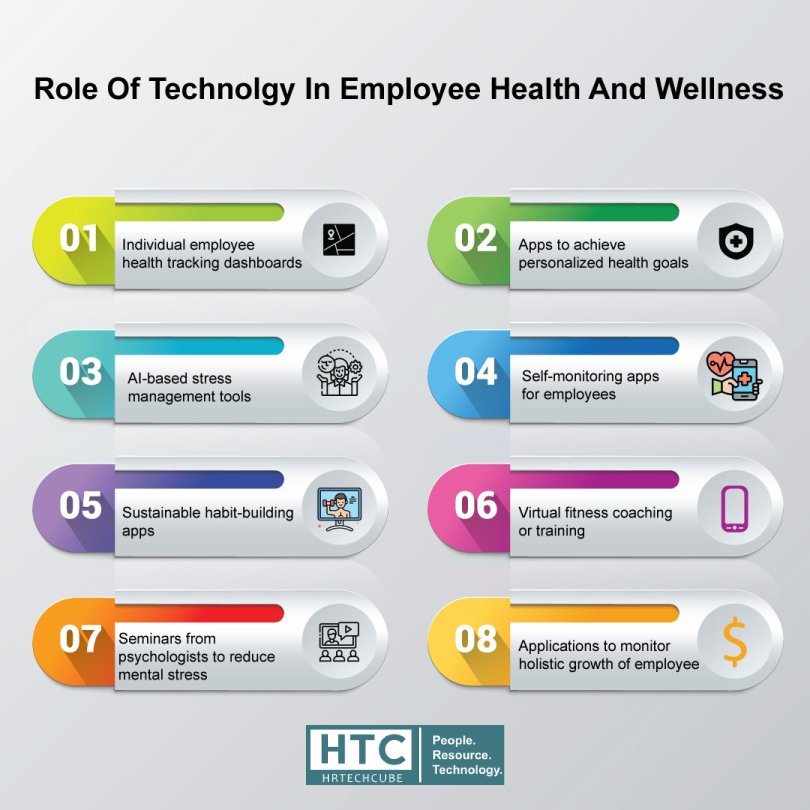
Pop superstar Katy Perry’s recent announcement that she has successfully quit nicotine products for over two months has resonated far beyond the entertainment industry. Her candid revelation of a personal journey towards sobriety and well-being mirrors a rapidly accelerating global trend: the urgent corporate focus on employee health, increasingly powered by cutting-edge corporate wellness technology. As individuals like Perry prioritize personal health, businesses worldwide are recognizing the profound impact of comprehensive wellness programs on productivity, retention, and overall organizational success.
This evolving landscape signals a paradigm shift from traditional, reactive healthcare benefits to proactive, preventive, and personalized employee well-being initiatives. For businesses striving to cultivate a thriving workforce and for global professionals, including international students planning their careers abroad, understanding and leveraging this technological revolution in wellness is becoming paramount.
The Shifting Sands of Workforce Well-being: A Global Imperative
The emphasis on employee well-being has never been more critical. The COVID-19 pandemic served as a stark wake-up call, exposing vulnerabilities in workforce mental and physical health. Burnout, stress, and declining engagement became undeniable challenges, prompting organizations to rethink their approach to supporting their most valuable asset: their people. Beyond crisis response, there’s a growing understanding that a healthy workforce is a productive workforce, and a strong culture of well-being is a key differentiator in attracting and retaining top talent.
“Katy Perry’s public commitment to quitting nicotine highlights a fundamental human desire for better health and self-improvement,” observes Dr. Lena Hanson, a leading industrial psychologist specializing in organizational wellness strategies. “In the corporate sphere, this translates into a demand for employers to not just offer jobs, but to foster environments that actively support holistic well-being. The rise of corporate wellness technology is the direct answer to scaling these efforts effectively across diverse, often globally distributed, teams.”
This movement is particularly relevant in an increasingly globalized labor market. Companies with international operations or diverse workforces face unique challenges in providing equitable and accessible wellness support. Cultural nuances, language barriers, and time zone differences necessitate flexible, technologically driven solutions that can cater to individual needs on a global scale. From stress management to physical activity, mental health support, and even financial literacy, modern wellness programs are expanding their scope, and technology is the engine driving this evolution.
Innovating Health Through Corporate Wellness Technology
The market for corporate wellness technology is experiencing explosive growth, with innovations ranging from wearable devices to sophisticated AI-driven platforms. These technologies are transforming how companies deliver and employees engage with wellness programs, making them more personalized, accessible, and engaging than ever before.
- Wearable Technology & Biometric Data: Smartwatches and fitness trackers are no longer just for personal use. Integrated into corporate programs, they allow employees to monitor physical activity, sleep patterns, and heart rate, often syncing with wellness apps that provide personalized insights and challenges. Companies can use anonymized, aggregated data to identify overall health trends and tailor future initiatives.
- Mental Health & Telehealth Platforms: Addressing the rising tide of mental health concerns, many platforms offer confidential access to licensed therapists, meditation guides, and stress-reduction tools. Telehealth services facilitate remote consultations with doctors, breaking down geographical barriers and ensuring timely access to care.
- Personalized Fitness & Nutrition Apps: These apps provide tailored workout plans, dietary advice, and healthy recipes, often incorporating gamification elements like leaderboards and rewards to boost engagement. Virtual coaching and group challenges foster a sense of community and friendly competition.
- AI and Data Analytics for Tailored Programs: Advanced platforms use artificial intelligence to analyze individual health data (with strict privacy protocols) and recommend hyper-personalized wellness journeys. This ensures that programs are relevant to each employee, maximizing engagement and effectiveness.
- Financial Wellness Tools: Beyond physical and mental health, comprehensive wellness tech now includes tools for financial planning, budgeting, and debt management, recognizing the significant impact of financial stress on overall well-being.
The effectiveness of these technologies lies in their ability to meet employees where they are, offering flexibility and autonomy in managing their health. As businesses continue to adapt to hybrid and remote work models, this accessibility becomes non-negotiable.
Impact Analysis: A Healthier Workforce, A Competitive Edge, and Opportunities for Global Talent
The deployment of sophisticated corporate wellness technology yields tangible benefits for both employers and employees, creating a virtuous cycle of improved health and organizational performance.
For Companies:
- Increased Productivity & Reduced Absenteeism: Healthy employees are more focused, energetic, and less prone to illness, leading to higher output and fewer sick days.
- Enhanced Talent Attraction & Retention: Companies that invest in robust wellness programs gain a significant competitive edge, attracting top-tier talent and fostering loyalty among existing employees. Wellness offerings are increasingly a deciding factor for job seekers.
- Lower Healthcare Costs: Proactive wellness interventions can lead to a healthier workforce overall, potentially reducing long-term healthcare expenditures for the organization.
- Improved Morale & Culture: Employees feel valued and supported when their employer invests in their well-being, contributing to a positive workplace culture and stronger team cohesion.
For Employees:
- Better Physical & Mental Health Outcomes: Direct access to resources for fitness, nutrition, stress management, and mental health support leads to tangible improvements in personal well-being.
- Increased Work-Life Harmony: Wellness tech often promotes healthy boundaries and self-care, helping employees manage the demands of work and personal life more effectively.
- Personalized Support: Tailored programs ensure that employees receive relevant guidance, rather than generic advice, maximizing the impact of their wellness efforts.
A Special Lens for International Students and Global Professionals
For international students looking to secure employment abroad or global professionals navigating diverse work environments, the proliferation of corporate wellness technology presents a crucial opportunity. Companies committed to these programs often signal a progressive, employee-centric culture that can be particularly beneficial for those adapting to a new country and workplace.
When you’re an international student seeking opportunities, consider:
- Mitigating Relocation Stress: Moving to a new country for work involves significant stress – cultural adjustment, language barriers, and forming new social networks. Access to employer-provided mental health apps, stress-reduction programs, and virtual coaching can be invaluable in managing these challenges.
- Accessible Health Resources: Navigating a new healthcare system can be daunting. Corporate telehealth platforms can provide a familiar and accessible entry point for minor health concerns or advice, easing the transition.
- Building Community and Connection: Many wellness apps include social features, allowing employees to participate in team challenges or virtual groups. For new international hires, this can be an excellent way to connect with colleagues outside of formal work settings and build a support network.
- Evaluating Employer Value: During job interviews, inquiring about a company’s wellness technology offerings can provide insight into their commitment to employee care. A robust wellness tech suite indicates an employer who values their workforce beyond just their job performance, a significant factor for those building a life in a new country.
“For international talent, joining an organization that actively deploys corporate wellness technology is not just a perk; it’s a foundational support system,” states Maria Gonzales, a career consultant specializing in global mobility. “It demonstrates a commitment to ensuring employees thrive, not just survive, in new environments. This kind of tech-enabled support can significantly ease the transition and integration process for professionals moving across borders.”
Expert Insights & Practical Guidance
Implementing effective corporate wellness technology requires strategic planning and a genuine commitment from leadership. For companies, a key piece of advice is to focus on holistic well-being, integrating physical, mental, emotional, and financial health aspects into a cohesive program. Data privacy and security are paramount; employees must trust that their personal health information is protected. Regular feedback loops and personalization are also critical to ensure programs remain relevant and engaging.
For individuals, particularly international students, actively engaging with available wellness technology can be a game-changer. Don’t view these tools as mere company benefits; see them as essential resources for personal growth and resilience. Explore the mental health apps, participate in fitness challenges, and leverage financial planning tools. These resources can help you maintain balance, reduce stress, and ensure you’re at your best, both professionally and personally, as you embark on your global career journey.
Looking Ahead: The Future Landscape of Wellness Integration
The evolution of corporate wellness technology is far from over. Future trends point towards even greater personalization, predictive analytics, and seamless integration into daily work routines. Expect to see more immersive technologies like virtual reality (VR) and augmented reality (AR) used for guided meditation, stress reduction, and interactive fitness experiences. AI will become even more sophisticated in identifying patterns and proactively recommending interventions, moving beyond reactive support to preventative care. Furthermore, wellness tech will increasingly integrate with broader HR and productivity platforms, creating a unified employee experience.
The emphasis will also broaden to “whole person” wellness, encompassing social connections, environmental impact, and purpose-driven work. As workforces become increasingly global and diverse, wellness technology will need to evolve to be culturally sensitive and adaptable, providing truly inclusive support for every employee, regardless of their background or location. Katy Perry’s personal commitment to well-being serves as a powerful reminder that health is wealth, a truth the corporate world is now embracing with technological fervor.
Reach out to us for personalized consultation based on your specific requirements.