Bollywood’s Asteroid: RGV Predicts Industry Shift
8 min read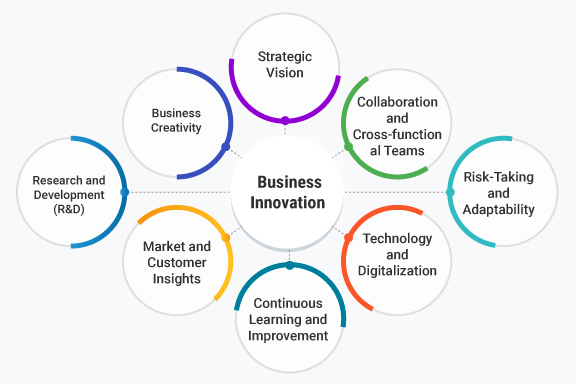
Veteran filmmaker Ram Gopal Varma has ignited a fervent debate across the Indian cinematic landscape with his recent, emphatic endorsement of Aditya Dhar’s upcoming spy thriller, Dhurandhar 2, starring Ranveer Singh. Varma, known for his provocative statements, didn’t merely praise the film; he declared it an “ASTEROID” poised to end the Indian film industry’s “DINOSAUR era” of conventional superstar-led, big-budget “masala” productions. This bold prediction has sent ripples through Bollywood, sparking discussions about an imminent paradigm shift in filmmaking and business models.
Scheduled for a March 19 release, Dhurandhar 2, according to Varma, carries the potential to redefine mainstream Indian cinema by establishing an “ultra realistic making” and emphasizing “genuine character depths” that engage audiences intellectually while delivering a “raw visceral impact.” This pronouncement comes at a critical juncture for an industry grappling with evolving audience preferences, technological advancements, and shifting revenue streams, hinting at a profound film industry disruption that could reshape careers and investment strategies alike.
The “Asteroid” vs. “Dinosaur Era”: A Defining Moment for Indian Cinema
Ram Gopal Varma’s dramatic analogy of Dhurandhar 2 as an “asteroid” signifies more than just a critical appreciation; it’s a stark warning to an industry he believes has become stagnant. For years, Indian cinema, particularly Bollywood, has relied heavily on a formulaic approach: larger-than-life superstars, extravagant budgets, gravity-defying stunts, and a blend of action, romance, and comedy often dubbed “masala” entertainment. While this model has delivered blockbusters, recent trends suggest audiences are increasingly yearning for more nuanced narratives and authentic character portrayals.
Varma’s “dinosaur era” critique targets precisely this reliance on established tropes and the veneration of actors with “god-like statuses,” whose star power alone is expected to guarantee box office success. He asserts that a film like Dhurandhar 2, with its focus on characters who “grow to be heroes in the context of the story rather than already being hailed as heroes from frame one,” will expose the limitations of mindless hero worship. This shift underlines a potential move towards content-driven cinema where the script and execution triumph over mere star appeal, a concept that has gained traction globally and is now knocking on Bollywood’s doors.
The stakes are particularly high for producers who have “bet entire empires on the same previous formulaic making.” Varma warns of “empty theatres and career ending losses” if they fail to adapt to this “new standard” that he believes will convert audience taste to “international standards.” This isn’t just about creative direction; it’s a profound business model innovation challenge, demanding a re-evaluation of production costs, marketing strategies, and talent acquisition.
Adding another layer of intrigue, Dhurandhar 2 is set for a direct clash with actor Yash’s highly anticipated film, Toxic, on March 19. While trade pundits often caution against such head-on collisions, fearing divided box office returns, the industry is drawing parallels to the “Barbenheimer” phenomenon of 2023. That unprecedented double feature saw both Margot Robbie’s Barbie (surpassing USD 1 billion) and Cillian Murphy’s Oppenheimer (raking in USD 900 million) thrive despite releasing on the same day. This suggests that strong, distinct content can indeed lead to multiple successes, challenging the traditional wisdom of avoiding major release clashes. With Dhurandhar 1 having already crossed the impressive Rs 1,000 crore mark, all eyes are on its sequel to potentially break new box office records and validate Varma’s bold prophecy of a new era.
Key Developments and Industry Transformation
Varma’s predictions articulate several key developments that are already underway or are rapidly gaining momentum within the global and Indian film industries. The core of his argument revolves around a demand for authenticity and intellectual engagement that could fundamentally alter traditional film production and distribution models.
- Shift from Formulaic to Realistic Storytelling: RGV explicitly states that Dhurandhar 2 could “completely and permanently obliterate the pan India south films movement by establishing a brand new benchmark with ultra realistic making, genuine character depths etc that actually engage the audience’s brain.” While a direct “obliteration” is a strong word, the sentiment highlights a competitive shift. The success of films prioritising realism and complex characters over exaggerated action or melodrama is undeniable. This movement challenges the notion that only “mass + VFX + scale + gravity defying stunts” guarantee a hit, advocating instead for stories that resonate on a deeper, more relatable level.
- Reinvention of Roles for Producers and Directors: The “asteroid” scenario necessitates a complete overhaul for those “married to the belief” of the old formula. Producers risk “career ending losses” due to high costs associated with outdated production styles and a shrinking audience for such content. Directors, too, must “reinvent themselves by studying the Dhurandhar audiences.” This means embracing new technologies for naturalistic filmmaking, investing in robust script development, and fostering talent that can deliver nuanced performances rather than relying on established star power alone. It’s a push towards agility and adaptability in a rapidly changing market.
- De-emphasis on Superstar Status: Perhaps the most significant cultural shift Varma predicts is the weakening of the “god-like statuses” of superstars. He foresees an age where characters, through their journey and narrative impact, become heroes, rather than actors being worshipped from “frame one.” This democratises storytelling, opening doors for a wider range of talent and allowing narratives to dictate casting rather than vice-versa. This is a fundamental challenge to the star-driven ecosystem that has long defined Bollywood’s economic and creative structure.
- Global Standards and Audience Palate: Varma repeatedly stresses the “international standards” that audiences are now expecting. The proliferation of global streaming platforms has exposed Indian viewers to diverse content from around the world, elevating their expectations for production quality, narrative complexity, and performance authenticity. This exposure accelerates the demand for homegrown content that can stand shoulder-to-shoulder with global offerings, forcing Indian filmmakers to benchmark themselves against a worldwide standard.
Impact Analysis: Opportunities for Aspiring Talent
This anticipated film industry disruption, while potentially unsettling for established players, presents unprecedented opportunities for new talent, particularly international students aspiring to enter the global entertainment sector. The shift from formulaic filmmaking to ultra-realistic, character-driven narratives fundamentally alters the demand for specific skills and creative approaches.
For aspiring filmmakers, writers, directors, and technicians, this means a heightened value for education and training that emphasizes:
- Authentic Storytelling & Scriptwriting: A strong emphasis on developing compelling, realistic narratives and complex characters. This demands deep understanding of dramaturgy, cultural contexts, and human psychology.
- Contemporary Cinematography & Direction: Skills in naturalistic lighting, dynamic camera work, and directing actors for nuanced, believable performances. The reliance on VFX might shift from spectacle to enhancement of realism.
- Specialized Technical Skills: While traditional VFX for grand spectacle might wane, advanced techniques for realistic set extensions, seamless digital effects, and innovative post-production for nuanced storytelling will be in high demand. This includes expertise in emerging technologies like virtual production and AI-assisted filmmaking.
- Understanding Global Audiences: The push towards “international standards” means aspiring professionals need a global perspective on content creation, marketing, and distribution. Understanding diverse markets and cultural sensibilities will be crucial for success.
- Business Model Innovation: Students pursuing film business, production, or management degrees will find fertile ground in devising new, cost-effective, and audience-centric business models that move beyond traditional theatrical releases and superstar-led formulas. This includes exploring hybrid release models, innovative financing, and data-driven content strategy.
International students, especially those studying abroad in film schools with global curricula, are uniquely positioned to capitalise on this shift. Their exposure to diverse filmmaking techniques, international storytelling conventions, and cross-cultural collaborations can make them invaluable assets to an Indian industry striving for global relevance and artistic innovation. Rather than being confined to traditional “masala” roles, opportunities will expand for those skilled in bringing fresh perspectives and world-class craftsmanship to Indian screens. This also implies that studying abroad in top film programs or related digital media courses can provide a competitive edge in a rapidly transforming industry.
Expert Insights & Practical Guidance
Navigating this evolving landscape requires foresight and adaptability. For anyone looking to make their mark in the Indian film industry, or indeed the global entertainment arena, here are some practical insights:
- Prioritise Craft Over Charisma: Focus on honing fundamental skills in writing, directing, cinematography, editing, and acting. The industry will increasingly value genuine talent and a deep understanding of craft over inherited legacy or superficial charm.
- Embrace Technology & Innovation: Stay updated with the latest filmmaking technologies, from digital cameras and editing software to virtual production tools and AI applications. These tools facilitate realistic storytelling and efficient production.
- Cultivate a Global Perspective: Watch films from diverse cultures and genres. Understand international audience preferences and storytelling techniques. This broadens your creative palette and prepares you for a globally interconnected industry.
- Network Strategically: Connect with peers, mentors, and industry professionals. Attend film festivals, workshops, and industry events, both local and international. Collaboration is key in a disruptive environment.
- Focus on Education & Upskilling: Whether through formal film education, specialised courses in screenwriting, VFX, or digital media, continuous learning is non-negotiable. For international students, this means carefully selecting programs that offer a blend of theoretical knowledge and practical, industry-relevant training, potentially exploring courses in countries known for cinematic innovation.
- Develop Entrepreneurial Mindset: The shift towards smaller, independent, content-driven films may create opportunities for new production houses and agile creative teams. Understanding the business of film, financing, and distribution will be crucial.
Looking Ahead: The New Horizon of Indian Cinema
The “asteroid strike” predicted by Ram Gopal Varma heralds not an end, but a dramatic reshaping of the Indian film industry. As traditional “dinosaur” models potentially recede, a more agile, diverse, and globally competitive cinematic ecosystem is likely to emerge. This future will be characterised by:
- Content Diversification: A wider array of genres and storytelling styles, moving beyond the traditional “masala” fare to include more thrillers, dramas, biopics, and experimental narratives that challenge conventions.
- Rise of New Talent: More opportunities for actors, directors, and writers who can deliver authentic performances and compelling stories, irrespective of their lineage or traditional stardom.
- Technological Integration: Greater adoption of advanced production techniques, from pre-visualization and virtual reality to sophisticated post-production workflows, enhancing both realism and creative expression.
- International Collaborations: Increased partnerships with global studios, filmmakers, and distributors, leading to films with broader appeal and larger international footprints. This also means more global talent flowing into and out of India.
- Evolving Business Models: A continuous exploration of new revenue streams, including hybrid theatrical and OTT releases, subscription-based content, and innovative merchandising, to adapt to changing consumption patterns.
The success of films like Dhurandhar 2, if it lives up to Varma’s expectations, will not just be a win for its makers but a beacon for the entire industry. It will signal a clear path forward, demanding creativity, realism, and a keen understanding of the evolving global audience. The Indian film industry is on the cusp of an exciting, albeit challenging, transformation where only the most adaptable and innovative will thrive.
Reach out to us for personalized consultation based on your specific requirements.