Bollywood’s Past Threats Offer Lessons for Modern Business Security
7 min read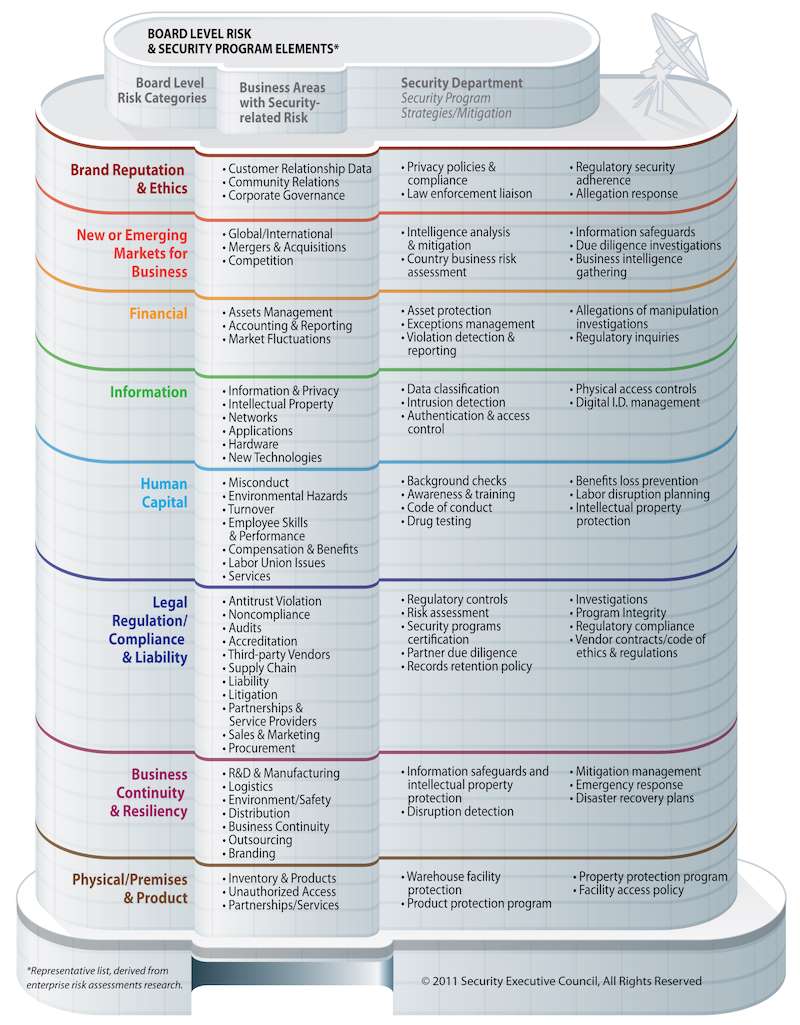
The recent shooting incident outside filmmaker Rohit Shetty’s Mumbai residence, coupled with the Lawrence Bishnoi Gang’s claims of responsibility, has thrust the shadowy history of Bollywood’s entanglement with the underworld back into public discourse. Veteran director Ram Gopal Varma’s candid reflections on the 90s era, when organized crime held a much tighter grip on the film industry with widespread threats and violence against figures like Rakesh Roshan and Manmohan Shetty, offer a stark reminder of existential business risks. While the context is entertainment, the historical parallels provide invaluable corporate security lessons for modern businesses navigating an increasingly complex threat landscape, from burgeoning startups to multinational corporations.
The Shadow of the Underworld: Bollywood’s Turbulent Past
Filmmaker Ram Gopal Varma, renowned for his gritty depiction of the Mumbai underworld in films like ‘Satya’, recently opened up about the pervasive impact of organized crime on Bollywood in the 1990s. In an exclusive interview with etimes.in, RGV recounted a period where threats were not isolated incidents but a “movement,” with “everyone who was somebody” living under constant duress. He specifically recalled harrowing incidents such as the shooting of Rakesh Roshan and the attempts on producer Manmohan Shetty’s life, as well as threats to Rajiv Rai, illustrating the very real, physical danger that permeated the industry.
Varma’s observations highlight a critical aspect of historical business security: direct, overt intimidation and violence aimed at controlling assets, demanding extortion, and asserting dominance. “They tried to kill producer Manmohan Shetty,” Varma stated, painting a vivid picture of a time when personal safety was routinely compromised for commercial gains by criminal organizations. This era, characterized by powerful, geographically concentrated gangs like Ali Budesh (who, as RGV notes, would claim responsibility for various killings as a “badge of honor”), showcased a raw form of risk management where compliance or extreme protective measures were the only options.
The recent incident at Rohit Shetty’s home, though RGV suggests it might be an isolated claim by a gang seeking notoriety rather than a systemic “movement” akin to the 90s, nonetheless serves as a contemporary trigger for these historical reflections. It underscores that while the nature of threats evolves, the fundamental need for robust security strategies remains constant. The foundational corporate security lessons from Bollywood’s past are not about replicating old defense mechanisms but understanding the timeless principles of risk assessment and resilience.
From Bullet Holes to Cyber Threats: Evolving Corporate Risks
Today’s corporate world faces threats that, while often less overtly violent than 90s gangland extortion, are arguably more pervasive, sophisticated, and financially devastating. The tangible threats of physical harm and property damage have expanded dramatically into the digital realm, creating an intricate web of vulnerabilities that demand comprehensive security strategies. Modern businesses must draw corporate security lessons from the past to fortify themselves against contemporary challenges.
- Cyber-Attacks and Data Breaches: Unlike the 90s, where physical theft was the primary concern, today’s gold is data. Sophisticated ransomware attacks, phishing scams, and corporate espionage can cripple operations, expose sensitive customer information, and erode trust, leading to massive financial losses and reputational damage.
- Reputational Damage: Just as underworld gangs sought to establish their “brand” through public acts of violence, modern threats often target a company’s reputation. Social media, activist groups, and even disgruntled former employees can wage campaigns that significantly impact public perception, investor confidence, and market share. Managing narrative and mitigating negative publicity has become a critical security function.
- Insider Threats: While RGV spoke of external threats, today’s businesses face significant risks from within. Disgruntled employees, industrial spies, or unwitting staff can compromise systems, leak confidential information, or facilitate external attacks. Building a culture of security and trust is paramount.
- Supply Chain Vulnerabilities: Globalized operations mean businesses are interdependent. A security breach or operational disruption at any point in a supply chain can have cascading effects, impacting production, delivery, and customer satisfaction. Diligent vetting and continuous monitoring of partners are crucial.
- Economic and Political Instability: Geopolitical tensions, trade wars, and economic downturns introduce risks ranging from intellectual property theft and sanctions compliance to volatile market conditions that threaten stability and profitability.
The shift from localized, physical threats to global, digital, and often invisible ones requires a fundamental rethinking of security. The corporate security lessons from Bollywood’s past serve as a powerful metaphor for the need to identify, understand, and adapt to the evolving nature of threats, ensuring that businesses are not caught off guard, much like the film industry was in a different era.
Distilling Corporate Security Lessons from Cinematic History
The experiences of Bollywood in the 90s, though specific to a particular industry and historical context, offer universal corporate security lessons that resonate deeply with modern business leaders. The core principles of safeguarding assets, ensuring continuity, and protecting personnel remain timeless, even as the manifestation of threats changes.
- Proactive Risk Assessment and Intelligence Gathering: RGV noted that “before the shooting incident happened, there should have been a pre-run.” This highlights the critical need for proactive intelligence. Modern corporations must conduct regular, comprehensive risk assessments to identify potential vulnerabilities, analyze threat intelligence (e.g., cyber threat reports, geopolitical analyses), and understand the motives and capabilities of potential adversaries. Waiting for an incident to occur is a reactive and often costly approach.
- Holistic Security Frameworks: The 90s Bollywood threats were primarily physical. Today, security must be multi-layered, integrating physical security (access control, surveillance), cybersecurity (firewalls, encryption, threat detection), and human security (employee vetting, awareness training). A single point of failure in any of these domains can compromise the entire enterprise.
- Robust Crisis Management and Communication: When Rakesh Roshan was shot, the industry faced a crisis of confidence and fear. Modern businesses must have well-defined crisis response plans that include clear communication strategies. How a company responds to a data breach, a reputational attack, or an operational disruption can significantly impact its recovery and long-term viability. Transparency, accountability, and swift action are paramount.
- Protecting Human Capital: The direct attacks on individuals in Bollywood underscore the vulnerability of human assets. In today’s corporate world, this translates to robust employee protection policies, secure work environments (both physical and remote), and safeguarding personal data. Employee well-being, mental health support, and secure travel protocols are all components of modern human capital security.
- Due Diligence and Supply Chain Security: The entanglement of Bollywood with external criminal elements illustrates the dangers of unchecked associations. Modern businesses must apply rigorous due diligence to all partners, suppliers, and third-party vendors. A weak link in the supply chain can expose a company to data breaches, operational disruptions, or reputational harm.
Relevance for International Students and Future Professionals
For international students aspiring to join the global workforce or launch their own ventures, understanding these corporate security lessons is not merely academic; it’s a vital aspect of career readiness. They will enter a professional landscape where security is no longer confined to IT departments but is a strategic imperative across all business functions. Knowledge of risk management, cybersecurity best practices, and crisis preparedness makes them valuable assets to potential employers. Moreover, for those contemplating entrepreneurship, developing a robust security mindset from the outset is crucial for building resilient, sustainable businesses that can withstand modern threats.
Building Resilience in the Digital Age
In light of these enduring corporate security lessons, businesses must prioritize building resilience as a core strategic objective. This involves moving beyond mere compliance to fostering a proactive, adaptive security posture. Here are some key insights and tips:
- Develop a Comprehensive Security Strategy: Integrate physical, cyber, and human elements into a unified security framework. This strategy should be regularly reviewed and updated to reflect emerging threats and technological advancements.
- Invest in Continuous Intelligence and Threat Monitoring: Utilize advanced analytics, AI-driven threat intelligence platforms, and expert security teams to continuously monitor for threats, analyze patterns, and predict potential attacks. Early detection is often the key to minimizing impact.
- Prioritize Employee Training and Awareness: The human element remains the weakest link in many security chains. Regular training on cybersecurity hygiene, phishing awareness, social engineering tactics, and data protection protocols is essential. Empower employees to be the first line of defense.
- Implement Strong Data Governance and Privacy Measures: Beyond protecting against breaches, businesses must ensure compliance with global data privacy regulations (e.g., GDPR, CCPA). This builds trust with customers and mitigates legal and reputational risks.
- Establish a Robust Incident Response Plan: A well-practiced incident response plan details roles, responsibilities, communication protocols, and recovery steps for various types of security incidents. Speed and efficacy in response can dramatically limit damage.
- Cultivate a Culture of Security: Security should not be an afterthought but an intrinsic part of corporate culture, from the boardroom to the mailroom. Leadership must champion security initiatives and demonstrate their commitment through resource allocation and policy enforcement.
Looking Ahead: The Future Landscape of Business Security
The future of corporate security promises even greater complexity. Emerging technologies like artificial intelligence and quantum computing will introduce both new vulnerabilities and powerful new defense mechanisms. Geopolitical shifts, increasingly interconnected global economies, and the rapid pace of digital transformation will continue to reshape the threat landscape. Businesses that learn from the past, embracing flexibility, foresight, and continuous adaptation, will be best positioned to thrive.
The vivid recollections of Bollywood’s battle with the underworld are more than just cinematic anecdotes; they are tangible corporate security lessons in resilience, risk management, and the perennial struggle against forces that seek to undermine stability and profitability. By understanding the historical context of threats, businesses can better prepare for the nuanced and multifaceted challenges of today and tomorrow.
Reach out to us for personalized consultation based on your specific requirements.