High Court Upholds ₹1.5 Cr Tax Penalty, Sparks Compliance Debate
6 min read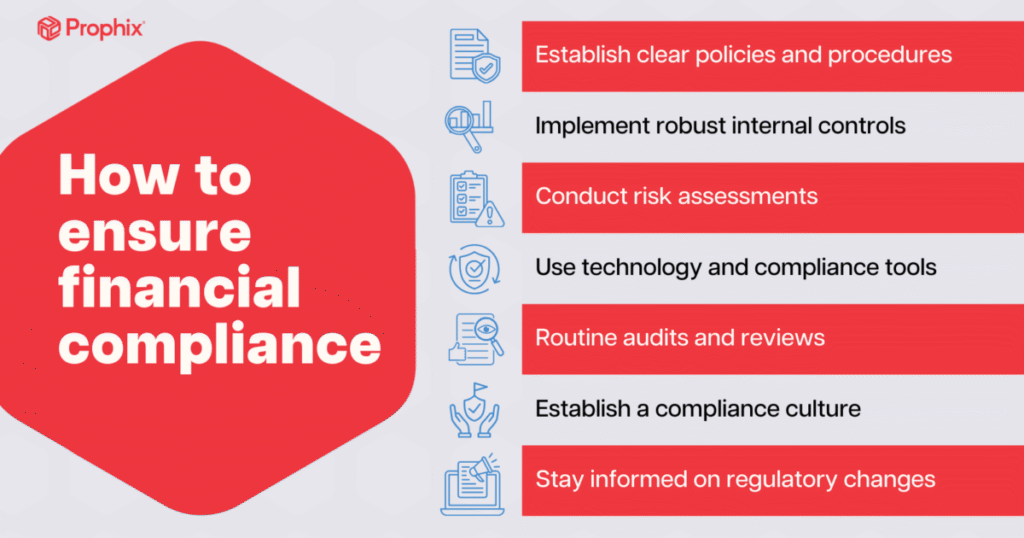
The Madras High Court has delivered a significant ruling, upholding a substantial ₹1.5 crore income tax penalty against prominent actor Thalapathy Vijay. This decision, stemming from an alleged non-disclosure of income related to his 2015 film ‘Puli’, not only marks a setback for the celebrity but also sends a resounding message across industries regarding the paramount importance of income tax compliance and transparent financial dealings.
Background: A High-Profile Case Under Scrutiny
The saga dates back to 2015 when income tax authorities conducted searches at actor Vijay’s residence and workplaces. These investigations unearthed critical documents that led to the Income Tax Department’s subsequent actions. As per reports, Vijay had declared an income of ₹35.42 crore in his Income Tax Return (ITR) for the fiscal year 2015-16. However, a sum of ₹15 crore, specifically attributed to his film ‘Puli’, was reportedly not included in this disclosure.
The Income Tax Department classified this omitted ₹15 crore as both undisclosed and concealed income, leading to the imposition of a hefty penalty of ₹1.5 crore through an official order issued in June. This move underscored the department’s firm stance on undeclared earnings, regardless of the individual’s stature. The case highlights a broader trend of enhanced scrutiny by tax authorities on income sources, especially those involving significant financial transactions or high-net-worth individuals, emphasizing the need for meticulous record-keeping and complete financial transparency across all sectors.
Key Developments and Legal Precedents
Challenging the penalty under the Income Tax Act, actor Vijay filed a petition with the Madras High Court. The High Court had initially granted an interim stay on the tax demand, providing a temporary reprieve. During the subsequent proceedings, Vijay’s counsel argued that there was an undue delay in the passing of the penalty order, contending that this delay should be sufficient grounds for its quashing. This legal argument is often employed to challenge administrative decisions, asserting procedural infirmities.
However, the Income Tax Department countered this argument, asserting that the order was indeed passed within the legally prescribed time limits, thus negating any claims of delay. After carefully considering the submissions from both parties, the Madras High Court ultimately dismissed Vijay’s petition, unequivocally upholding the ₹1.5 crore penalty. The bench affirmed that it found no grounds for interference, fully endorsing the Income Tax Department’s position that the penalty constituted a legal fine based on the evidence presented. This ruling reinforces the judiciary’s support for diligent tax enforcement and sets a clear precedent regarding the consequences of non-compliance.
Despite this setback, the court has granted Vijay the liberty to pursue further legal recourse by filing an application before the Income Tax Appellate Tribunal. This avenue allows for another level of judicial review, indicating that the legal battle over this specific tax dispute may not yet be fully concluded. Meanwhile, actor Vijay faces additional legal hurdles on the professional front, as his upcoming film ‘Jana Nayagan’, directed by H. Vinoth, is experiencing release delays due to pending censor certification and other related legal issues. These concurrent challenges underscore the complex legal landscape that prominent figures, and indeed all businesses and individuals, must navigate.
Impact Analysis: Beyond the Celebrity Spotlight
While the immediate focus of this High Court ruling is a celebrity, its implications extend far beyond the entertainment industry, casting a long shadow on the broader landscape of income tax compliance and business legal challenges. This case serves as a stark reminder that tax authorities are increasingly vigilant, employing sophisticated methods to detect undisclosed income and enforce penalties. For individuals and businesses alike, the message is clear: transparency and adherence to tax laws are non-negotiable.
For entrepreneurs, small business owners, and corporations, the verdict underscores the critical necessity of robust financial management systems, accurate record-keeping, and proactive tax planning. Any discrepancy, however seemingly minor, can escalate into significant penalties, protracted legal battles, and severe reputational damage. The legal costs, administrative burden, and diversion of resources associated with such disputes can severely impact business operations and growth potential.
The ramifications are particularly pertinent for international students, immigrants, and foreign workers navigating the complexities of a new country’s financial and legal systems. Understanding and complying with local tax regulations is not just a matter of good citizenship; it’s a crucial component of maintaining legal status and future immigration prospects. Undisclosed income, incorrect tax filings, or non-compliance can lead to serious consequences, including:
- Visa Complications: Future visa applications, extensions, or changes in status can be jeopardized if there’s a history of tax non-compliance. Immigration authorities often review an applicant’s financial history as part of their eligibility assessment.
- Financial Penalties and Legal Action: Similar to high-profile cases, individuals can face significant fines, interest on unpaid taxes, and even legal prosecution, leading to financial strain and potential deportation in severe cases.
- Reputational Damage: A history of tax evasion or non-compliance can tarnish one’s financial reputation, affecting credit scores, loan applications, and future business or employment opportunities.
- Immigration Setbacks: For those on a path to permanent residency or citizenship, any legal or financial irregularities can pose significant obstacles, delaying or even permanently derailing their immigration goals.
The case involving Thalapathy Vijay highlights that ignorance of the law is not a defence, and meticulous financial documentation is the bedrock of compliance. This applies equally to an international student working part-time, a skilled worker on a temporary visa, or a business owner establishing a venture in a new country. Every financial transaction must be accounted for, and all income, regardless of its source, must be properly declared.
Expert Insights & Practical Guidance for Navigating Compliance
In light of intensified tax enforcement, proactive measures are indispensable for ensuring income tax compliance and mitigating potential legal challenges. For individuals, particularly international students and foreign nationals, understanding the nuances of tax obligations in a new country is critical. Here are some expert insights and practical tips:
1. Maintain Meticulous Records:
Keep precise and organized records of all income sources, expenses, investments, and financial transactions. This includes salary slips, bank statements, receipts for educational expenses, rental income, and any other earnings. Digital records are often preferred for ease of access and archiving.
2. Understand Local Tax Laws:
Research and thoroughly understand the tax laws of your host country. This includes knowing your tax residency status, applicable tax rates, deductions, exemptions, and filing deadlines. International students, for instance, often have specific filing requirements and may benefit from tax treaties.
3. Proactive Disclosure:
Err on the side of caution. If there’s any ambiguity regarding an income source or a financial transaction, it is always best to disclose it to the tax authorities or seek professional clarification. Concealment, as seen in the Vijay case, can lead to severe penalties.
4. Seek Professional Advice:
Do not hesitate to consult tax professionals or financial advisors. For international students and immigrants, navigating complex tax systems can be overwhelming. Specialized visa and immigration consultants, like
5. Regular Financial Audits:
For businesses, regular internal audits and reviews of financial statements by independent professionals can help identify and rectify discrepancies before they attract regulatory scrutiny. For individuals, a periodic review of your income and declarations against your bank statements can serve a similar purpose.
6. Be Aware of Cross-Border Implications:
For international students and workers, understanding tax implications in both your home country and host country is vital. Double taxation agreements can prevent you from being taxed twice on the same income, but you must be aware of how to claim these benefits correctly.
Looking Ahead: Heightened Scrutiny and Digital Transparency
The Madras High Court’s affirmation of the ₹1.5 crore penalty is indicative of a broader and intensifying trend in regulatory enforcement. Governments globally are leveraging advanced data analytics and inter-agency collaborations to enhance their ability to track financial transactions and detect non-compliance. The increasing digitalization of financial records and tax filing processes contributes to greater transparency, making it progressively difficult for individuals and entities to conceal income or evade taxes. This high-profile case serves as a harbinger of potential future actions, suggesting that tax authorities will continue to pursue non-compliant taxpayers vigorously, regardless of their public standing.
Businesses and individuals, especially those with international financial footprints or complex income structures, must recognize that the era of casual or lax income tax compliance is drawing to a close. The emphasis will remain firmly on proactive adherence, comprehensive disclosure, and continuous vigilance. Engaging with qualified professionals will become not just a recommendation but a necessity for navigating this increasingly intricate regulatory landscape.
Reach out to us for personalized consultation based on your specific requirements.