AR Rahman Controversy Ignites Industry Dialogue
8 min read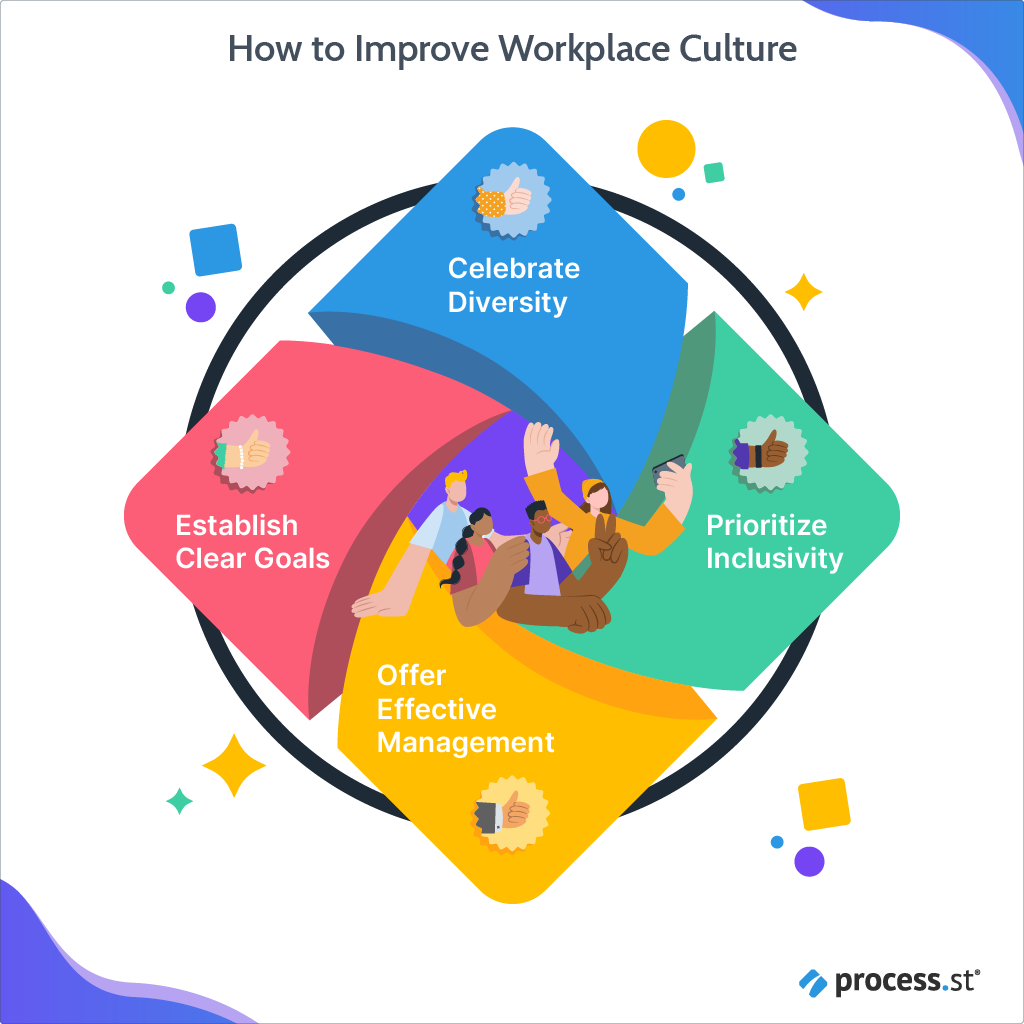
A recent flurry of public commentary and swift rebuttal has thrust Oscar-winning composer AR Rahman into the heart of an industry-wide debate, highlighting the intricate tightrope prominent figures walk between personal expression and public perception. The controversy, sparked by Rahman’s remarks on a film and subsequent hints at communalism within the entertainment sector, swiftly escalated, drawing both criticism and robust defense from industry peers like National Award-winning lyricist Varun Grover. This incident, now widely known as the AR Rahman industry controversy, serves as a poignant case study in workplace dynamics, public relations, and the increasing scrutiny faced by artists in a polarized world.
Background to the Dialogue
The genesis of this significant industry discussion traces back to a public interaction where AR Rahman, a revered figure celebrated globally for his transformative musical contributions, commented on the film ‘Chhaava,’ labeling it “divisive.” More significantly, he hinted at having experienced communal prejudice within the industry itself, stating, “It might be a communal thing also… but it is not in my face” when discussing a “power shift” over the past eight years where “people who are not creative have the power now.” These powerful, understated remarks from an artist of Rahman’s stature resonated deeply, immediately triggering a wave of strong reactions across social media platforms and within Bollywood circles. Given Rahman’s usually reserved public persona, his candidness added considerable weight to his observations, leading many to pause and reflect on the underlying currents within the vibrant, yet often complex, Indian entertainment landscape. For professionals, especially those aspiring to cross international borders for their careers, such discussions underscore the universal challenges of navigating diverse workplaces and the inherent risks of public commentary.
Key Developments in the Controversy
The initial remarks by AR Rahman regarding ‘Chhaava’ and the thinly veiled suggestion of communal undercurrents in Bollywood ignited an immediate firestorm. The internet, ever-eager for celebrity discourse, became a battleground of opinions, leading to a sharp backlash against the composer. Recognizing the unforeseen impact of his words, Rahman promptly issued a video message, seeking to clarify his intentions and assuage any pain his comments may have caused. “Music has always been my way of connecting, celebrating and honouring our culture. India is my inspiration, my teacher and my home. I understand that intentions can sometimes be misunderstood. But my purpose has always been to uplift, honour and serve through music. I have never wished to cause pain, and I hope my sincerity is felt,” he articulated, reaffirming his deep-seated connection to India and his artistic mission.
Amidst this unfolding narrative, National Award-winning lyricist Varun Grover emerged as a vocal proponent of Rahman’s perspective. Taking to X (formerly Twitter), Grover shared the iconic ‘O Paalanhaare’ from ‘Lagaan,’ a testament to Rahman’s musical genius, while fervently criticizing the vehement reaction to the composer’s statements. Grover penned, “The greatest living composer of the last 3 decades got attacked and abused (even by people within the industry) for stating an opinion in the politest, mildest manner, that too based on his lived-experience.” He further lamented the quick demand for an apology, adding, “And the very next day forced to issue an apology/clarification to calm the toxic mob down. If any further proof was needed to confirm his hints at the rising divisiveness…” Grover’s defense underscored the perceived suppression of opinion and the fragility of free speech, even for celebrated figures, within the industry.
Adding another layer to the AR Rahman industry controversy, the maestro later elaborated on his experiences in a separate interview with BBC Asian Network. When questioned about prejudice faced as a Tamil composer in Bollywood, Rahman stated, “Maybe I never got to know of this, maybe it was concealed by God, but I didn’t feel any of this. The past eight years, maybe, because a power shift has happened, and people who are not creative have the power now. It might be a communal thing also… but it is not in my face.” He once again underscored his criticism of ‘Chhaava,’ describing its exploitation of “divisiveness.” These statements collectively painted a picture of an industry grappling with evolving power structures and potential biases, compelling a deeper examination of its internal dynamics.
Impact Analysis: A Mirror to Modern Workplaces
The AR Rahman industry controversy, while centered on the Indian entertainment industry, casts a wide net, offering invaluable insights into workplace dynamics and public relations relevant across all professional spheres, particularly for individuals navigating global career paths. The immediate fallout—a public backlash followed by a forced apology—underscores the precarious balance public figures must maintain between authentic self-expression and safeguarding their professional reputation. In today’s hyper-connected world, every statement, however mildly intended, can be amplified, misinterpreted, or weaponized, leading to reputational damage that can transcend geographical boundaries.
For international students and professionals aspiring to work abroad, this incident is a critical lesson. It highlights:
- The Power of Public Perception: A stellar professional record, like Rahman’s, offers a degree of protection, yet it is not immune to the swift tides of public opinion. Understanding how cultural and political nuances shape public reception to comments is paramount, especially when operating in a foreign land.
- Navigating Diverse Workplaces: Rahman’s hint at “communal” aspects and “power shifts” reflects the reality of biases and shifting influences that can exist in any workplace. For international professionals, recognizing and navigating such unspoken dynamics in a new cultural context is crucial for career progression and well-being.
- Social Media as a Double-Edged Sword: The rapid escalation of the controversy on platforms like X demonstrates how quickly a localized comment can gain global traction. International professionals must exercise extreme caution with their digital footprint, as past remarks can significantly impact future career opportunities or even visa eligibility.
- Freedom of Speech vs. Professional Responsibility: The debate around Rahman’s right to his “lived-experience” versus the pressure to apologize highlights the tension between personal liberty and the expectations placed on prominent individuals. This tension is often magnified for those working internationally, where cultural norms around expression can differ vastly.
The AR Rahman industry controversy is not just about a celebrity’s remarks; it’s a microcosm of the challenges faced in contemporary workplaces, urging professionals worldwide to hone their communication strategies, cultivate cultural intelligence, and understand the profound impact of their words in an increasingly interconnected and scrutinized global arena.
Expert Insights and Practical Tips for Professionals
The AR Rahman industry controversy provides a rich learning ground for professionals across all sectors, particularly those aiming for international careers, where stakes involving reputation and cultural understanding are exceptionally high. Navigating public opinion and workplace dynamics, especially in sensitive contexts, requires a nuanced approach. Here are some expert insights and practical tips:
1. Master Strategic Communication:
- Anticipate Impact: Before making public statements, especially on social media or in interviews, consider how they might be perceived by various audiences, including those with different cultural or political viewpoints. Ask: “Could this be misinterpreted?” or “How might this resonate in a different cultural context?”
- Choose Your Platform Wisely: Understand that remarks made in a casual setting can quickly become viral. Opt for formal channels for sensitive discussions where clarity and context can be better controlled.
- Clarity Over Ambiguity: Ambiguous statements, while sometimes intended to be mild, can lead to widespread misinterpretation. Strive for clear, concise language, particularly when addressing potentially divisive subjects.
2. Prioritize Reputation Management:
- Cultivate a Positive Digital Footprint: Regularly audit your online presence. Ensure your professional profiles and public statements align with the image you wish to project. For international students, this is vital as potential employers or immigration authorities may scrutinize digital records.
- Respond Swiftly and Genuinely: As Rahman demonstrated with his video message, a prompt and sincere clarification or apology can de-escalate a controversy. Authenticity is key in crisis communication.
- Seek Counsel: High-profile professionals often have PR teams or legal advisors. For others, consulting mentors or trusted colleagues before making significant public statements can provide valuable perspective.
3. Understand and Adapt to Workplace Dynamics:
- Cultural Intelligence is Key: For those working internationally or in diverse environments, understanding the cultural nuances of power structures, communication styles, and sensitivities is paramount. What is acceptable in one culture might be offensive in another.
- Observe Power Shifts: As Rahman hinted, power dynamics in industries can shift. Being aware of these changes and understanding who holds influence can inform how one navigates professional interactions and expressions.
- Identify Support Systems: Recognize allies and mentors within your professional network who can offer support or defense, as Varun Grover did for Rahman, based on genuine understanding and shared experience.
4. Handle Divisive Topics with Care:
- Focus on Professionalism: While personal opinions are valid, in a professional capacity, especially in diverse workplaces, it’s often prudent to focus discussions on work-related matters and universal professional ethics rather than potentially divisive socio-political commentary.
- Emphasize Unity: When addressing challenges, frame your concerns in a way that promotes constructive dialogue and unity rather than exacerbating divisions.
These principles, drawn from the public discourse surrounding the AR Rahman industry controversy, are not merely guidelines for celebrities. They are essential tools for any professional aiming to build a resilient career in an increasingly globalized, transparent, and opinionated world.
Looking Ahead: Evolving Norms in Entertainment and Beyond
The AR Rahman industry controversy is more than just a passing headline; it’s a significant marker in the ongoing evolution of workplace dynamics and public relations, particularly within the entertainment sector. This incident, alongside numerous others involving public figures, suggests a critical juncture where the expectations placed on artists are being redefined. Will artists feel more compelled towards self-censorship to avoid public backlash, or will this open the door for more transparent, albeit carefully articulated, discussions on sensitive issues like communalism and power imbalances within industries?
The immediate future will likely see public figures and their management teams doubling down on sophisticated media training and robust crisis communication strategies. The swiftness of Rahman’s clarification and Grover’s passionate defense highlights the imperative of rapid response in the age of instant news and viral social media. We may also observe a greater emphasis on contractual clauses related to public conduct and social media guidelines for talent, reflecting a move towards formalizing behavioral expectations in an industry known for its informal ethos.
Beyond the entertainment realm, the lessons from this controversy are universally applicable. For organizations, it underscores the importance of fostering inclusive workplace cultures where genuine concerns can be addressed internally without fear of reprisal, ideally preventing such issues from spilling into the public domain. For individuals, particularly those navigating international careers, the incident reinforces the enduring value of cultural sensitivity, empathetic communication, and a clear understanding of personal brand management. As global workplaces become increasingly diverse, the ability to express oneself responsibly while respecting varying perspectives will be an invaluable asset.
Ultimately, the AR Rahman industry controversy fuels a broader conversation about the role of public figures as societal influencers, the boundaries of free speech in professional contexts, and the constant balancing act between personal conviction and the collective harmony. The dialogue ignited by Rahman’s words will undoubtedly continue to shape the contours of public engagement, professional conduct, and the very culture of the entertainment industry for years to come.
Reach out to us for personalized consultation based on your specific requirements.