Twinkle Khanna’s Unity Message: Blueprint for Inclusive Workplaces
6 min read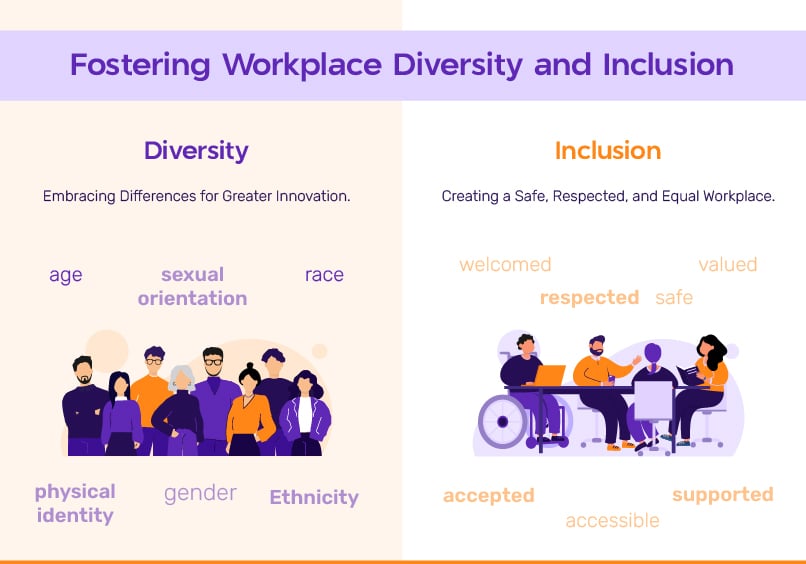
In a powerful statement resonating across social and professional spheres, celebrated author and former actress Twinkle Khanna recently offered a compelling vision for modern India, one that champions unity over uniformity. Her heartfelt recollection of a secular moment at her grandmother Betty Kapadia’s funeral—where a Hindu priest respectfully touched the feet of her Ismaili Khoja grandmother—serves as a poignant blueprint for fostering genuine workplace diversity and inclusion India. Khanna’s declaration, “That is the India I would like to see… I believe in unity, not uniformity. And I want that for the future,” underscores a critical need for organizations to embrace varied identities and perspectives, making it a timely call for action for businesses and aspiring professionals alike.
Twinkle Khanna’s Vision: A Catalyst for Corporate India’s DEI Journey
The poignant anecdote shared by Twinkle Khanna provides a rich context for the ongoing dialogue around Diversity, Equity, and Inclusion (DEI) in India’s rapidly evolving corporate landscape. Her upbringing, shaped by the confluence of Hindu and Ismaili cultures, exemplifies the inherent diversity that has long been a hallmark of Indian society. This personal narrative, emphasizing harmony and mutual respect across differing beliefs, translates directly to the principles necessary for building robust and thriving modern workforces.
In a country as diverse as India, the concept of “unity, not uniformity” is not merely an idealistic aspiration but a pragmatic necessity for economic growth and social cohesion. For businesses, this means moving beyond superficial representations of diversity to cultivating environments where every individual feels valued, heard, and empowered to contribute their authentic self. Khanna’s message serves as a reminder that true inclusion stems from a deep-seated respect for individual differences, echoing sentiments increasingly championed by progressive organizations globally.
Key Developments in Workplace Diversity and Inclusion India
The conversation around workplace diversity and inclusion India has gained significant momentum in recent years. Indian companies, recognizing the profound benefits of a diverse workforce, are increasingly investing in DEI initiatives. These efforts extend beyond gender parity to encompass a broader spectrum of diversity, including religious background, ethnicity, socio-economic status, age, disability, and LGBTQ+ representation. Khanna’s call for unity amidst diversity speaks directly to the core of these initiatives, advocating for a holistic approach to inclusion.
- Strategic Imperative: Many leading Indian firms now view DEI not just as a compliance requirement but as a strategic imperative for innovation, problem-solving, and market expansion. Diverse teams have been shown to outperform homogenous ones in creativity and decision-making.
- Talent Attraction and Retention: In a competitive global talent market, a strong commitment to DEI is crucial for attracting and retaining top talent. Professionals, especially younger generations and international candidates, prioritize inclusive work environments.
- Cultural Shift: There’s a noticeable shift from mere tolerance to active celebration of differences. Companies are designing policies and programs that actively dismantle systemic biases and create equitable opportunities.
- Leadership Buy-in: Progressive organizations are seeing DEI championed from the top, with CEOs and senior leaders actively advocating for and participating in inclusion initiatives.
Twinkle Khanna’s emphasis on harmony between “two factions” in her personal life reflects the delicate balance companies seek to strike in diverse teams. The ideal is not to erase differences but to build bridges of understanding and respect, creating a collective strength from individual uniqueness.
Impact Analysis: Opportunities for Global Talent in India’s Inclusive Workplaces
The growing commitment to workplace diversity and inclusion India has significant implications, particularly for international students and professionals looking to build careers in the country. A genuinely inclusive environment reduces barriers for individuals from different cultural, ethnic, and religious backgrounds, making India a more attractive destination for global talent.
For international students graduating from Indian universities or those seeking to migrate for professional opportunities, the landscape is becoming increasingly welcoming. Companies actively promoting DEI are more likely to:
- Value Diverse Perspectives: They recognize that international talent brings unique skills, experiences, and cultural insights that can drive innovation and global competitiveness.
- Offer Equitable Opportunities: Robust DEI policies ensure fair hiring practices, career development, and promotion processes, mitigating biases that might traditionally affect non-native candidates.
- Provide Supportive Environments: Inclusive workplaces often feature support systems, mentorship programs, and cultural sensitivity training, which can greatly aid international professionals in adapting and thriving.
- Foster a Sense of Belonging: When individuals feel their identities are respected and their contributions are valued, they are more engaged, productive, and likely to stay with an organization, creating a virtuous cycle for both employee and employer.
Khanna’s aspirational “India I would like to see” directly translates to a corporate India where international talent feels a genuine sense of belonging, not just a contractual obligation. This shift is vital for India’s ambition to become a global economic powerhouse, drawing on the best minds from around the world.
Expert Insights and Practical Tips for Fostering Inclusion
Implementing Twinkle Khanna’s “unity, not uniformity” message in a corporate setting requires deliberate effort and thoughtful strategies. Experts in DEI advocate for a multi-faceted approach:
For Organizations:
- Leadership Commitment: DEI must be a top-down initiative. Leaders should visibly champion diversity, allocate resources, and hold themselves accountable for creating an inclusive culture.
- Unconscious Bias Training: Regular training for all employees, especially hiring managers and leaders, can help identify and mitigate biases in recruitment, performance reviews, and promotions.
- Inclusive Policies and Practices: Review and update HR policies to ensure they are equitable. This includes flexible work arrangements, parental leave, anti-harassment policies, and accessible infrastructure for people with disabilities.
- Employee Resource Groups (ERGs): Establish ERGs or affinity groups that provide safe spaces and support networks for diverse employee communities, fostering a sense of belonging.
- Celebrate Cultural Diversity: Organize events and initiatives that celebrate the diverse cultural backgrounds of employees, creating opportunities for understanding and interaction, much like Khanna’s cross-cultural upbringing.
- Measure and Report: Regularly collect data on diversity metrics and inclusion sentiments. Transparent reporting and goal setting drive accountability and continuous improvement.
For International Students and Professionals:
- Research Company Culture: Before applying, research a company’s commitment to DEI. Look for their DEI statements, initiatives, employee reviews, and leadership diversity.
- Highlight Diverse Experiences: In interviews and applications, articulate how your unique background and international experiences contribute to a diverse perspective and problem-solving abilities.
- Seek Inclusive Networks: Connect with professional networks and communities that support international professionals or specific diverse groups in India.
- Engage Actively: Once employed, actively participate in DEI initiatives and ERGs. Your voice and experiences are invaluable in shaping an inclusive workplace.
The “beautiful” secular moment Khanna witnessed at her grandmother’s funeral, where traditions respectfully coexisted, is a powerful analogy for workplaces where different professional, cultural, and personal backgrounds can not only coexist but enrich one another.
Looking Ahead: India as a Global Hub for Diverse Talent
The trajectory of workplace diversity and inclusion India is set towards significant growth and deeper integration. As India continues its economic ascent and plays an increasingly prominent role on the global stage, the need for diverse perspectives and inclusive leadership will only intensify. Khanna’s message of “unity, not uniformity” provides a foundational philosophy for this future, advocating for a pluralistic approach that embraces the rich tapestry of human experience.
Future trends suggest a more granular approach to DEI, focusing on intersectionality—recognizing that individuals hold multiple identities that intersect to create unique experiences of both privilege and marginalization. This will lead to more nuanced policies and support systems, further enhancing the appeal of Indian workplaces to a global talent pool.
For individuals considering India for their career journey, understanding this evolving commitment to DEI is crucial. It signifies not just a country with immense economic opportunity but one increasingly striving to be a place where diverse talent can truly flourish, contributing to a collective future built on mutual respect and shared progress. The vision Twinkle Khanna articulated, a blend of tradition and modernity, secularism and respect, is the very essence of the India poised to lead in the global economy of tomorrow.
Reach out to us for personalized consultation based on your specific requirements.